

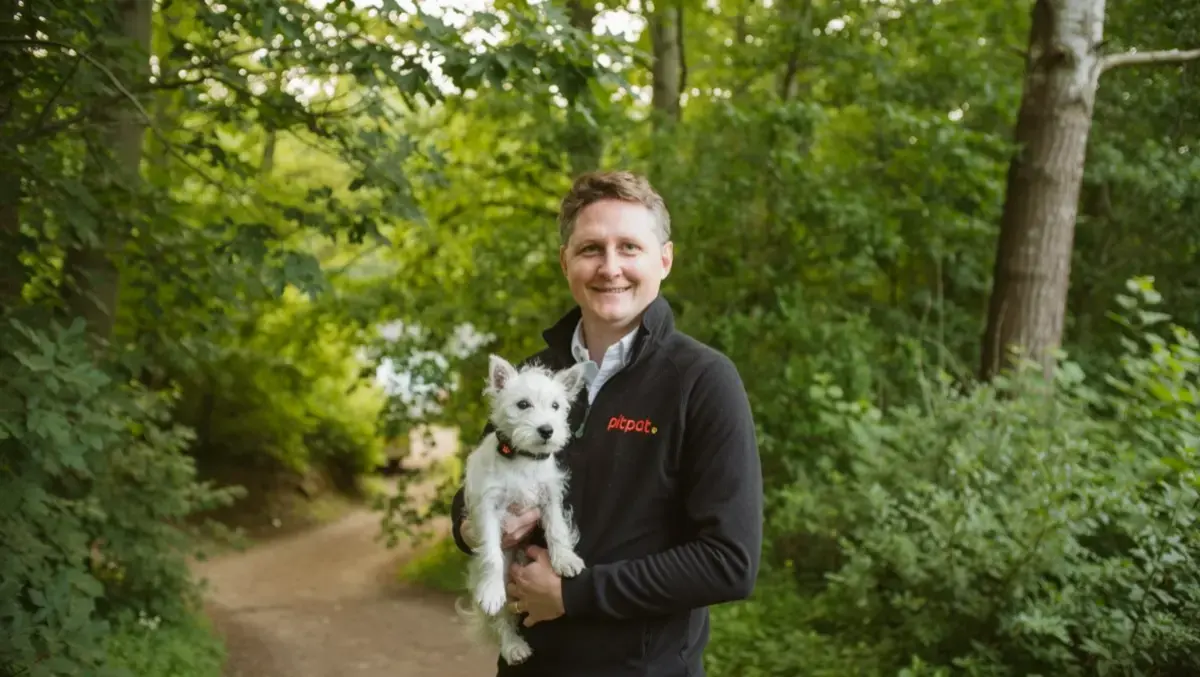

Scary Robots has partnered with Electric Twin to use synthetic audience testing in television advertising. The first campaign produced under the arrangement has aired on UK television for dog tracker brand PitPat.
The campaign, called "The Wanderers", was developed with audience testing running throughout production rather than only at the concept or final review stage. Scary Robots used Electric Twin's platform to test scripts, messaging and edits against a synthetic panel of UK dog owners while the advert was being made.
The 40-second advert features AI-generated talking dogs discussing their habit of wandering off, alongside a series of shorter sponsorship bumpers. It has run on channels including Dave, Gold, Alibi and Drama.
Electric Twin said its system combines AI, machine learning, social science research and a brand's own audience data to simulate audience responses. It said the platform can return results in minutes rather than the days or weeks often needed for surveys, focus groups or conventional campaign testing.
How It Worked
For the PitPat campaign, Scary Robots and Electric Twin built a synthetic audience panel of 1,141 UK dog owners across six demographics. The panel answered more than 150 questions on attitudes to dog trackers, barriers to adoption and views of the PitPat brand.
Seven pieces of creative were tested in total, including six 10-second bumpers and the longer television advert. The audience included existing PitPat customers, lapsed customers, sceptics and prospective buyers.
Different groups were asked whether they understood what the adverts were selling, what need the product met and whether they would consider buying it. They were also asked which messages had the most impact.
The testing led to changes in the final version of the advert. Scary Robots said recall of the main safety message - that the tracker helps owners find a dog that has run off - rose from 51% to 74% when the point was spoken by the dogs rather than shown through a GPS map graphic.
Another finding was that the line about there being no subscription fee was the strongest single message in the campaign. PitPat said its own research found that 62% of dog owners are wary of subscriptions and that a third had been put off buying a tracker by recurring fees.
Responses also varied between audience segments. Lapsed tracker users and prospective customers were most interested in the product's ability to find lost dogs and provide peace of mind. Sceptics, described as the largest segment tested, were more interested in activity tracking and its role in helping keep dogs fit and healthy.
Two of the creative executions performed better than the rest on brand warmth. Scary Robots said 46% of testers reported a positive brand perception after seeing the "Good Walk" short and the long-form advert, compared with 35% to 42% for the other pieces.
Agency Push
The partnership reflects a broader effort by agencies and marketing technology companies to bring research earlier into the creative process. Rather than commissioning separate rounds of audience work, the approach aims to keep testing active while ideas, scripts and edits are still evolving.
Scary Robots plans to apply the method more widely across its client work. The studio was founded by Jason Attar, Niall Towl and Danny Wimborne, and focuses on film, advertising and other branded content produced with AI tools.
Electric Twin said its synthetic audience products are already used by organisations including News UK, Sage, Centre for Net Zero and Virgin. The company was founded by Alex Cooper and Ben Warner.
Daniel Wimborne, Executive Producer & AI Products at Scary Robots, said: "We're thrilled to launch The Wanderers with PitPat, a playful campaign that gives dogs the chance to explain why they disappear in pursuit of stinky smells and new adventures. It embodies what Scary Robots is all about: combining human creativity with AI technology to produce bold, entertaining work. We were also delighted to partner with Electric Twin, whose synthetic audience platform gave us always-on access to a highly tailored PitPat audience. This allowed us to test the creative with dog owners, gather instant feedback and add another layer of audience insight to the creative process."
PitPat said the work offered a new way to assess whether marketing messages connected with potential buyers before a campaign was finalised.
Andrew Nowell, Chief Executive Officer at PitPat, said: "Any technology that enables us to test and optimise our marketing output in order to ensure we're resonating with the right people is something I am more than happy to explore. We're really excited to be working with Scary Robots to be among the first-movers using synthetic audiences to deliver impactful campaigns, and we've been really impressed with the results Electric Twin has delivered on our audience so far."
Electric Twin framed the project as an example of how synthetic audience models could change campaign development in advertising.
Alex Cooper, Chief Executive Officer and Co-Founder at Electric Twin, said: "It's been great to work with Scary Robots - an agency that's putting AI at the forefront of its creative work - to help it deliver something truly impactful for PitPat. Using our product, brands can engage thousands of people quickly and accurately, to a depth that simply isn't possible with traditional processes like surveys and focus groups. In an industry as fast-moving and competitive as advertising, such technology has real potential to become a critical step in the workflow."