

Wordly expands ANOC deal for Dakar 2026 athlete interviews
Fri, 13th Nov 2026 (Today)
Wordly has expanded its partnership with the Association of National Olympic Committees to provide AI translation and captioning for athlete interviews at the Dakar 2026 Youth Olympic Games.
Under the agreement, Wordly's technology will be integrated into ANOC.tv Studio, the organisation's content production platform. The system is expected to help National Olympic Committees translate more than 1,000 athlete interviews into more than 60 languages.
The deal builds on an existing relationship. Wordly has already supplied real-time AI translation and captions for ANOC planning meetings, events, assemblies and other activities, including the ANOC General Assembly in Hong Kong.
ANOC represents 206 National Olympic Committees worldwide, and this project focuses on athlete media content rather than live meeting support. Editors working on interviews recorded in athletes' native languages will be able to use translated captions and text in the post-production workflow.
Multilingual video production at international competitions can be difficult to manage. Editors often need to process interviews in languages they do not speak, while building teams for every language can be costly and impractical.
The integration is intended to help National Olympic Committees prepare and distribute material more quickly. The interviews are designed to introduce audiences to younger athletes and track their progress towards future Olympic competitions.
Growing Demand
The project comes as sports bodies place greater emphasis on reaching audiences across multiple regions and languages. Olympic organisations, athletes, coaches, media outlets and supporters operate across different linguistic markets, making translation and subtitling a growing operational issue for international federations and governing bodies.
Wordly's broader business centres on live AI multilingual communication, including translation, captions, transcripts and summaries for meetings and events. It says the platform has been used by more than 6 million people in more than 120 countries and has processed more than 1 billion minutes of live multilingual translation.
For ANOC, the initiative is part of a wider effort to make athlete stories available to domestic and international audiences without relying on fully manual translation processes. The translated videos from the Youth Olympic Games are due to be published through ANOC.tv's social media channels.
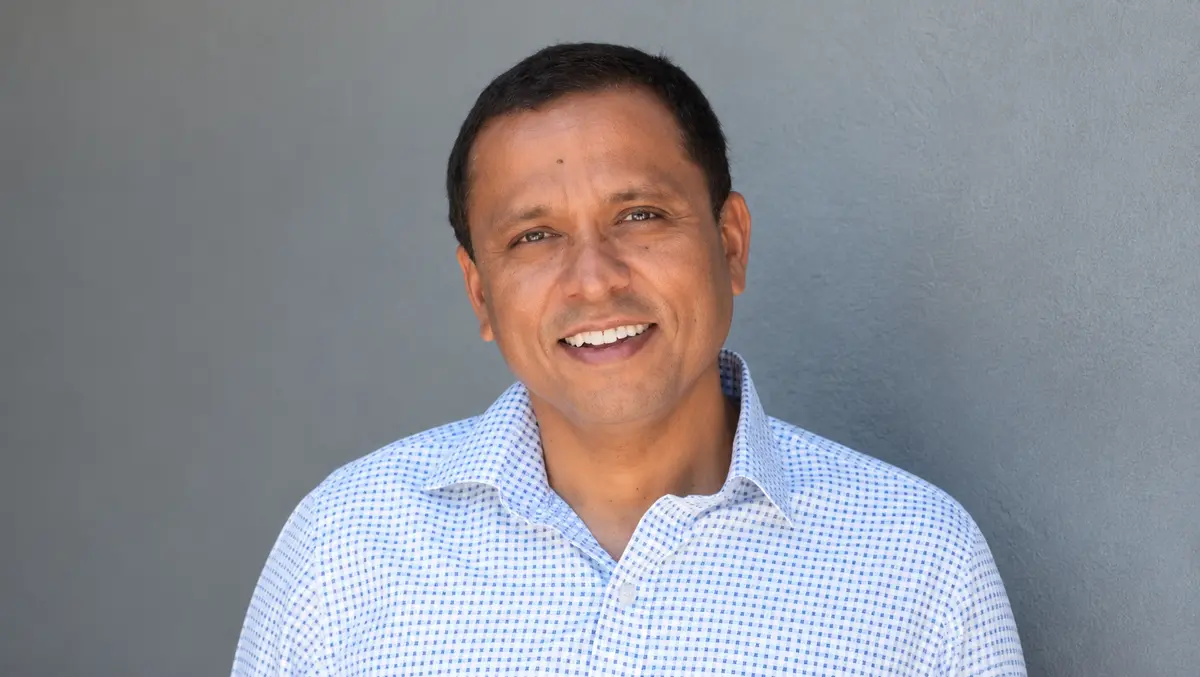
Lakshman Rathnam, Founder & CEO of Wordly, said the work is intended to make athletes' experiences easier to share in their own languages. "At the heart of international sports is the connection between athletes and the people cheering them on at home," Rathnam said. "Sharing their experiences in their own languages helps athletes express themselves naturally and brings fans, families and friends closer to their journeys. The Olympics also show what is possible when people from around the world come together toward a common goal. As the future of global work brings people across languages and cultures together, breaking down communication barriers is essential."
Gunilla Lindberg, Secretary General of ANOC, said the project supports the organisation's work with its member committees. "ANOC is committed to helping National Olympic Committees share the stories of their athletes and connect with fans in their home countries and around the world," Lindberg said. "By integrating Wordly's AI translation into our content production workflow, we can help NOCs reach wider audiences, bring more visibility to their athletes and build connections with fans as we look ahead to the Los Angeles 2028 Olympic Games."
The Dakar programme will give ANOC and Wordly a test case for using AI tools at scale in sports media workflows, with more than 1,000 interviews expected to pass through the system in more than 60 languages.