

Dropzone AI featured on All Access with Andy Garcia
Tue, 28th Jul 2026 (Today)
Dropzone AI has been featured on the public television programme "All Access with Andy Garcia".
The segment looks at the use of artificial intelligence in security operations.
The appearance places the cyber security company within a wider discussion about how security operations centres are managing rising alert volumes and increasingly complex threats. It also reflects growing interest in whether AI tools can ease pressure on teams facing a shortage of skilled staff.
Security teams are under pressure to investigate more incidents without sacrificing speed or accuracy. As organisations add layers of digital systems and cloud services, analysts must review more signals to determine whether an alert reflects a genuine threat.
That workload has become a central issue for security operations centres, which sit on the front line of corporate cyber defence. Analysts are expected to sift through alerts, gather evidence, document findings and decide which cases need escalation, often with limited headcount.
The television feature explores that operating environment and the role of so-called agentic AI in day-to-day investigations. Dropzone AI describes its approach as a team of specialised AI agents that can investigate alerts, collect evidence and document results while human analysts retain oversight.
Research cited by the company, carried out with the Cloud Security Alliance across 148 security analysts, found that AI-assisted investigations improved accuracy by up to 29% and reduced investigation time by as much as 61%. Those figures are likely to draw attention from security leaders assessing where AI can fit into existing workflows.
Workforce strain
The staffing gap in cyber security has been a persistent concern across the industry. Employers have struggled to recruit and retain experienced analysts, while the volume of activity reaching security operations centre teams has continued to grow.
In that context, suppliers have been trying to position AI less as a replacement for analysts and more as a way to handle repetitive or time-consuming work. The aim is to leave human teams to focus on judgement, escalation and response in more complex cases.
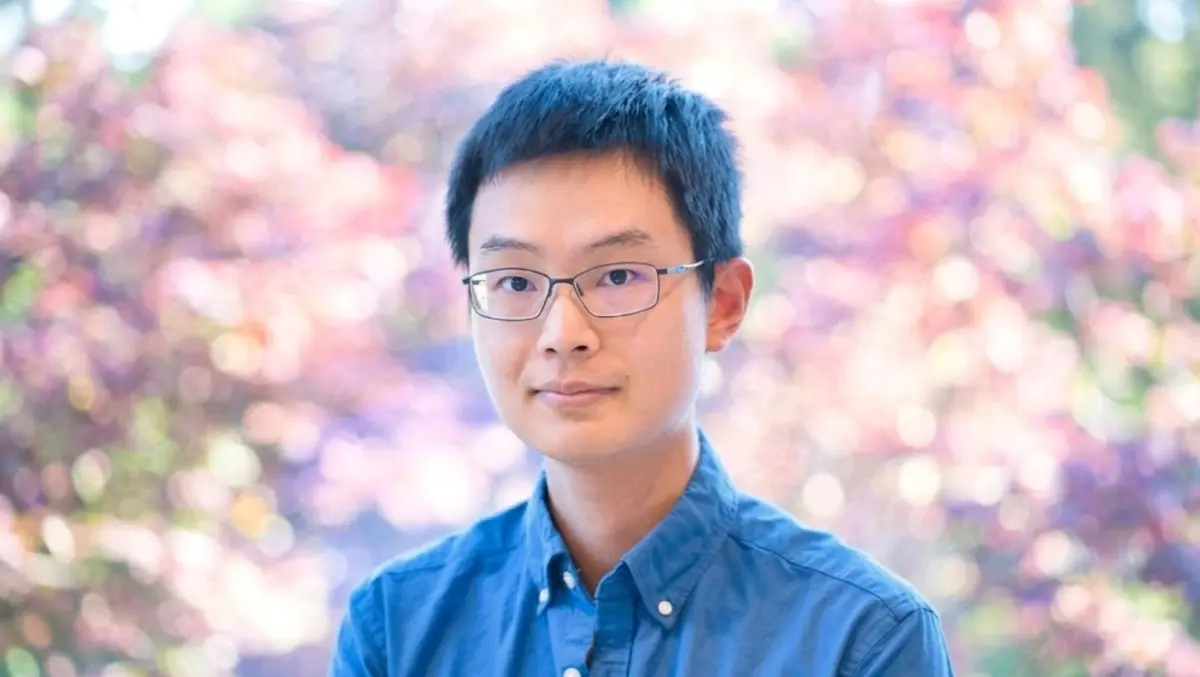
Edward Wu, founder and chief executive officer of Dropzone AI, linked the company's work to that pressure on capacity.
"The real bottleneck for today's security challenges isn't a lack of security tooling or expertise; it's the capacity to investigate what matters most," said Edward Wu, founder and chief executive officer of Dropzone AI.
"Security defenders are outnumbered, and AI is becoming a trusted teammate for security analysts by performing meaningful investigation work autonomously, allowing defenders to respond faster while focusing their expertise where it has the greatest impact. We're proud to be a leader in how AI is shaping the future of cyber defence," Wu said.
Broader push
The television appearance comes as the company expands its product range around the idea of an "Agentic SOC". The term refers to the use of multiple autonomous software agents assigned to specific security tasks inside an operations centre.
Dropzone AI recently made its AI Threat Hunter generally available. The product is designed to run hypothesis-driven threat hunts across security systems and identify threats or coverage gaps that may not appear through alert-based monitoring alone.
That move shows how vendors are broadening the use of AI in cyber security beyond alert triage. The market has increasingly shifted towards tools that can carry out steps in an investigation, correlate evidence across systems and support proactive searches for hidden activity.
Public attention on the field has also increased as companies and public bodies face a steady stream of ransomware attacks, software vulnerabilities and data breaches. Boards and senior executives have become more focused on how quickly security teams can detect and investigate suspicious behaviour.
For many security operations centres, the issue is not simply the number of tools in use but the amount of labour needed to make sense of them. AI suppliers are making the case that software agents can absorb part of that burden, especially when teams are flooded with repetitive tasks.
Dropzone AI says its technology is already in use across more than 300 environments. The company argues that this reflects demand for systems that can extend analyst capacity rather than rely solely on manual investigation.
The television segment gives Dropzone AI exposure to a broader audience at a time when AI in cyber security is drawing scrutiny from both buyers and practitioners. Questions remain across the market about reliability, transparency and the level of autonomy organisations are willing to allow in security operations.
Those issues are likely to shape the next phase of adoption as security leaders weigh productivity gains against the need for control and accountability. For now, the pressure on analysts to investigate more alerts in less time remains the central problem the sector is trying to solve.