

UK workers use AI daily but workload rises, PwC says
Thu, 15th Oct 2026 (Today)
One in five UK employees now use artificial intelligence every day at work, according to PwC. Its survey also found that 44% of AI users report a heavier workload.
The findings come from PwC's Hopes and Fears Survey of 2,023 UK workers.
Use of AI at work has risen steadily in the UK over the past three years. Daily use now stands at 19%, up from 15% a year earlier.
Over the past 12 months, 56% of UK workers said they had used AI at work. That was up from 52% in 2025 and 47% in 2024, although still below the global average of 64%.
Seniority gap
The survey found a wide adoption gap between senior staff and the rest of the workforce. Among UK senior executives, 85% said they had used AI at work, compared with 73% of managers and 35% of non-managers.
Non-managers recorded the biggest annual increase, rising from 24% in 2025 to 35% in 2026. Even so, that remained 15 percentage points below the global average of 50% for non-managers.
The results suggest AI use is spreading more widely through organisations, but access and confidence remain uneven. It also found that 13% of UK workers said their employer limits access to tools, while the same share said they were confused about company policy on AI use in the workplace.
Another 16% said they feared negative consequences if they experimented with AI. A further 12% said they needed more training or skills to use AI effectively at work.
Quality and pressure
Workers who use AI reported benefits in the work they produce. Among UK AI users, 70% believed it had improved the quality of their work, 63% said it allowed them to use more of their skills, and 58% said it increased the value they bring to their employer.
Those gains did not translate into a lighter job. Instead, 45% of UK AI users said the complexity of their role had increased, while 44% reported a heavier workload.
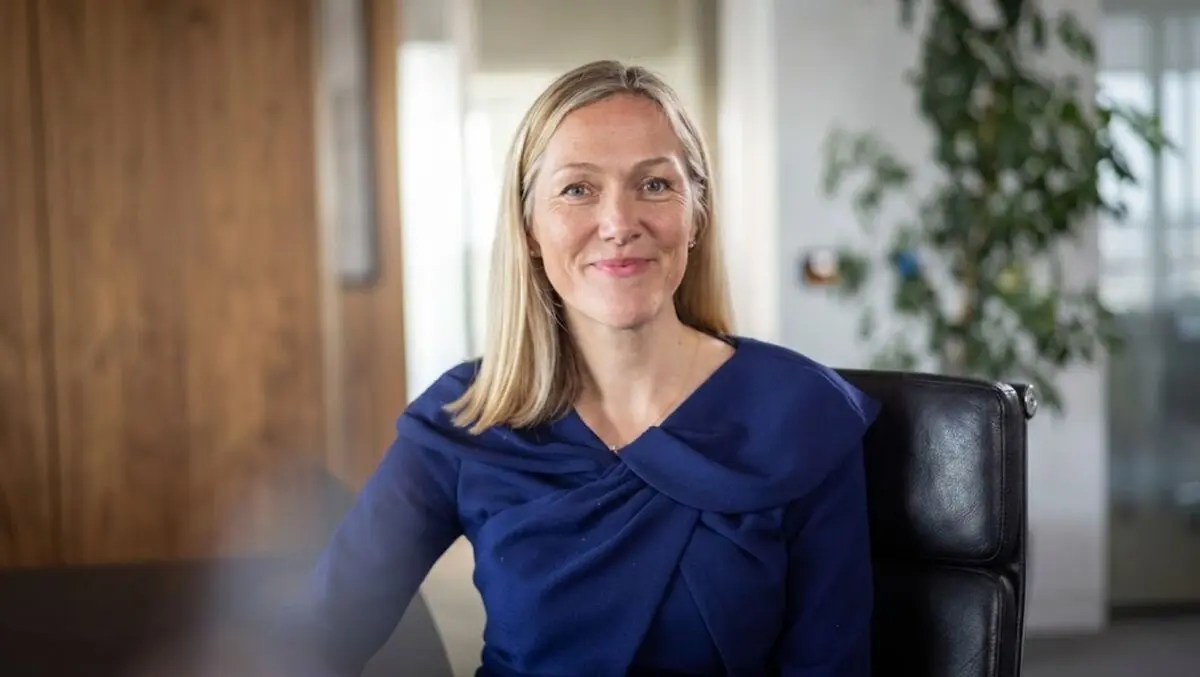
Claire Reid, chief innovation and technology officer at PwC UK, said: "As people see AI improving the quality and value of their work, the opportunity is to move beyond simply using the technology more often and rethink how work gets done. That means using AI to take on the right tasks, freeing people to focus their time and skills where they can add the most value. The real prize isn't just doing more work; it's redesigning work so that people and AI together can deliver better outcomes."
Worker sentiment
UK workers were more likely to express positive than negative views about increased AI use in their jobs. Some 70% said they felt confident, compared with 18% who said they felt fearful.
On other measures, 72% said they felt energised versus 13% who felt exhausted, and 72% said they felt empowered versus 16% who felt powerless.
Attitudes again differed by seniority. Around seven in ten UK senior executives said they felt confident, empowered or energised about growing AI use, putting them nine to 13 percentage points ahead of senior executives globally.
Among UK non-managers, 28% said they felt confident in their AI use, compared with 36% globally.
The figures point to a mixed picture for employers adopting AI tools. Use is increasing, and many workers say the technology improves output, but concerns over access, policy clarity, skills and workload remain.
Reid said: "Access to the technology isn't enough. Organisations need to rethink work around the right problems, give people the skills and confidence to use AI well, and put the right safeguards around it. Get that combination right and AI becomes less something that is happening to people, and more something they can use to create real value."