

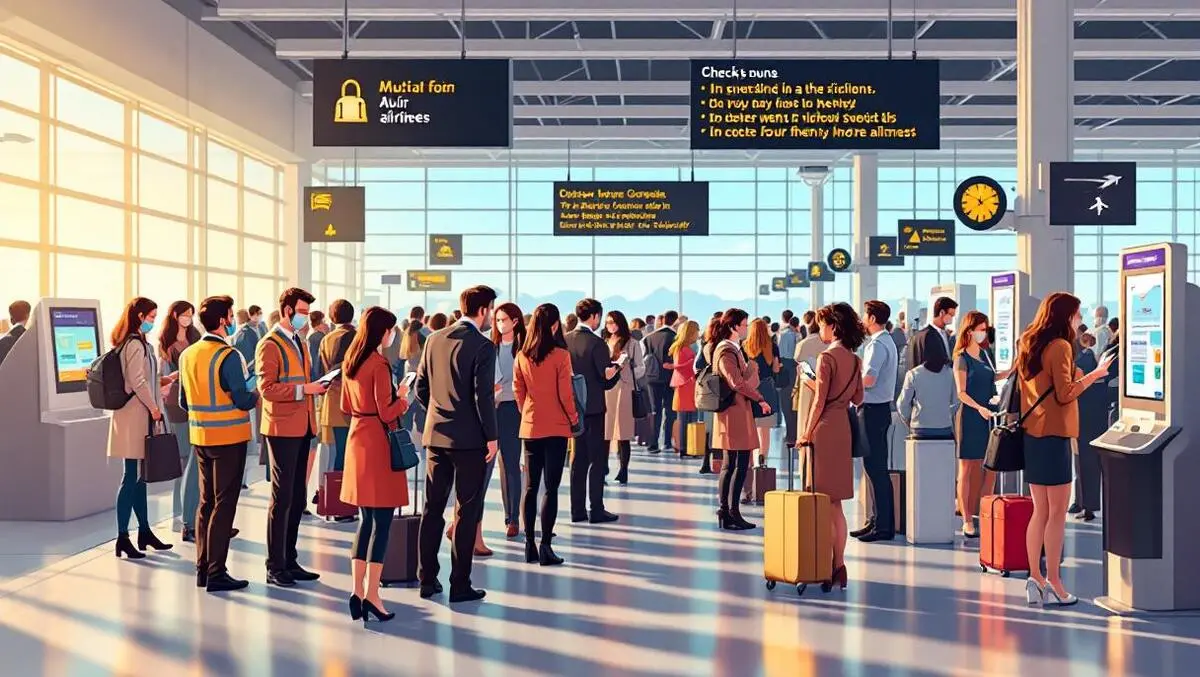
UK airlines turn to agentic AI & WhatsApp to cut queues
Wed, 25th Feb 2026
UK travel operators are adopting agentic AI and messaging channels such as WhatsApp to prepare for potential disruption from border delays and continuing staff shortages, according to Infobip.
Infobip pointed to the planned EU Entry/Exit System as a likely cause of longer immigration processing times and noted continued post-Brexit recruitment challenges across parts of the travel sector. Previous peak periods have brought long queues, flight delays and cancellations, with knock-on effects for customer service teams.
Proactive messaging
Airlines and other travel brands are increasing their use of digital communications to manage demand and ease pressure on airport staff. Messaging tools can push information to passengers before they reach the terminal, including documentation reminders and live flight updates.
Automated messaging is also moving beyond basic notifications. Infobip said agentic AI can handle more complex requests, including rebooking journeys and tracking baggage. This can shift some interactions away from airport desks and call centres, allowing staff to focus on issues that require in-person support.
The shift reflects changing consumer expectations, with messaging often preferred to email or phone for time-sensitive queries. WhatsApp has become a major channel for customer communications in the UK, particularly for organisations seeking familiar two-way engagement.
Virgin Atlantic pilot
Virgin Atlantic worked with Infobip at London Heathrow on a WhatsApp chatbot for passenger communications. The airline recorded an 11% increase in online check-in rates after introducing the service, according to the two companies.
Higher online check-in volumes can ease airport operations during peak periods. More passengers arriving with check-in completed can reduce pressure at counters and shorten departure-hall queues.
Virgin Atlantic said the chatbot also provides real-time flight information, which can cut the volume of routine queries handled by staff and call centres. Real-time messaging can prompt passengers to act earlier, including checking in, confirming gate information, or reviewing baggage allowances, which can help people move through the airport faster.
Simon Langthorne, Head of CRM at Virgin Atlantic, said: "Empowering our guests with convenient, real-time notifications via WhatsApp not only enhances the customer journey but also streamlines our airport operations."
Revenue and service
Infobip said conversational channels can also support sales, with messaging used from initial enquiry to booking confirmation. In practice, passengers can receive information and complete actions within a single chat thread instead of switching between systems.
Airlines are increasingly testing digital service models that reduce reliance on airport-based staff for routine requests. Pressure on service delivery has grown as passenger numbers recover and operational costs remain high. At the same time, customer expectations for rapid updates during disruption have increased.
Agentic AI tools have attracted attention because they can take actions as well as respond to questions. In travel, that can include changing flights, issuing delay updates, and surfacing baggage-status information. Deployment still depends on integration with airline systems and operational processes, including how exceptions and edge cases are handled.
James Stokes, Head of Enterprise, UK & Nordics at Infobip, said: "The travel sector is under immense pressure to deliver smooth experiences despite systematic hurdles. Our work with partners like Virgin Atlantic proves that when you combine agentic AI with rich messaging, you don't just solve problems but offer a personalised concierge service. This reduces the burden of staff, boosts customer satisfaction, and unlocks new avenues for revenue streams during peak demand."
As peak summer travel approaches, airlines are expected to keep testing and expanding messaging-based service, with a focus on reducing queues and managing disruption earlier in the passenger journey.