

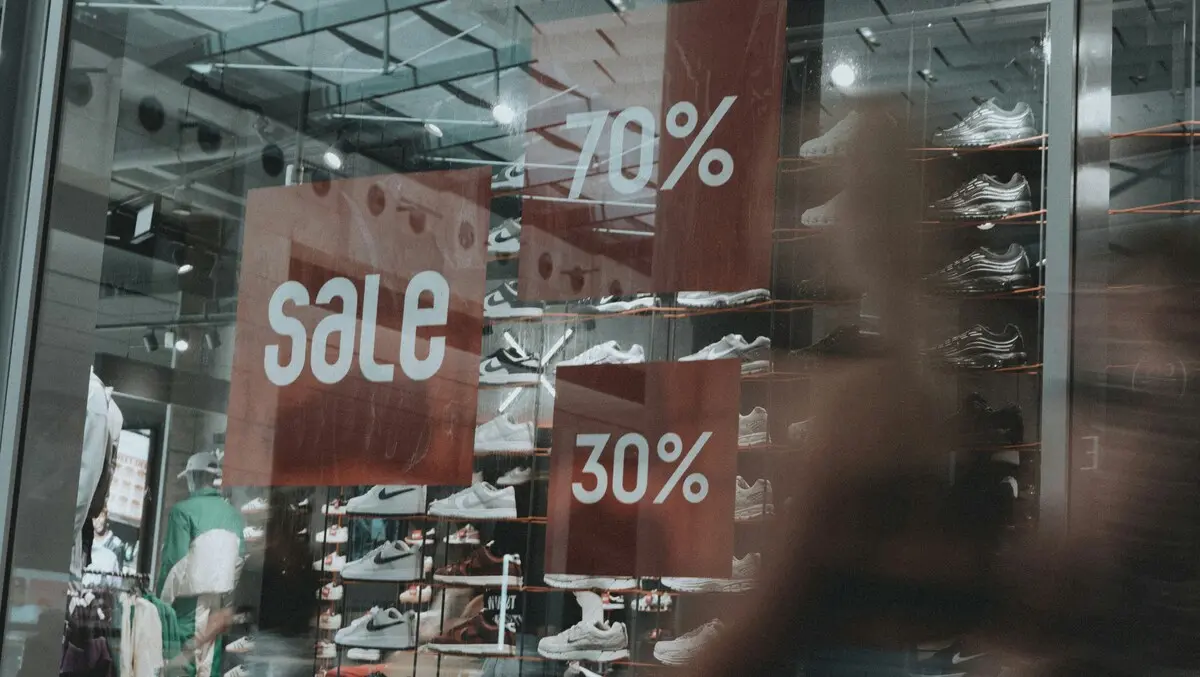
Shoppers delay buys as trust in retailer prices falls
Tue, 6th Oct 2026 (Today).webp)
Akeneo has published research showing that many shoppers are delaying purchases while they wait for prices to fall, and that trust in retailer pricing is low.
The study of 1,000 US consumers found that 79% had postponed a purchase because they believed the price would be lower later. It also found that 59% said price matters more in purchase decisions than it did six months earlier.
Consumers are also checking more sources before they buy. Nearly half, 46%, said they compare prices across multiple retailers when shopping online, while only 9% said they typically buy without comparing prices.
That behaviour is exposing price differences across sales channels and platforms. The findings showed that 77% of respondents had noticed the same product listed at different prices across retailers or shopping platforms in the past year.
Price checks now extend into physical shops. The survey found that 68% at least sometimes look at a retailer's website or app while shopping in-store to see whether the same product is available online for less.
Trust gap
Only 32% of respondents said they completely or mostly trust retailers to offer a fair or competitive price. Another 57% said they would trust a retailer less if they discovered that a product's price had changed based on personal information or shopping behaviour.
The figures point to a wider shift in how consumers judge value. Rather than focusing only on the headline price, shoppers are also assessing whether prices seem consistent and credible across the different places where a product is sold.
That trend is increasing pressure on retailers to avoid visible discrepancies between online stores, marketplaces and physical outlets. It also suggests pricing strategy is becoming more exposed to consumer scrutiny at the point of comparison, not just at checkout.
Romain Fouache, Chief Executive Officer of Akeneo, linked that scrutiny to changing digital shopping habits.
"Consumers are paying closer attention to price and that raises the stakes for retailers," said Romain Fouache, Chief Executive Officer of Akeneo. "Pricing can no longer sit in a silo from the rest of the product experience. Consumers, and increasingly AI-powered shopping tools, are constantly comparing products, prices and offers across channels. Brands need trusted product and pricing information working together so shoppers see a consistent, credible experience wherever discovery happens."
AI tools
The research found that artificial intelligence tools are already part of the price comparison process. Nearly a quarter of consumers, 24%, said they use tools such as ChatGPT or Google Gemini to compare prices or deals.
More than half, 56%, said they trust AI tools to provide accurate pricing information when comparing products across retailers. This suggests consumers are beginning to treat AI services as another way to check value, alongside search engines, retailer websites and marketplaces.
The survey also asked how people expect to shop during the holiday buying period. It found that 40% expect to compare prices across retailer websites, 37% plan to use search engines and 24% expect to use AI tools such as ChatGPT or Google Gemini.
For retailers and brands, that creates an additional layer of comparison outside their own websites and stores. If prices differ across channels, search tools or AI services may surface those discrepancies before a shopper reaches the final point of purchase.
The findings were based on research carried out by Dynata in August among 1,000 consumers in the United States aged 18 and over. The survey examined how economic conditions, pricing practices and newer shopping tools are shaping buying decisions.
One of the clearest findings was how many consumers are waiting rather than buying immediately, with 79% saying they have delayed a purchase because they believed the price would be lower later.