

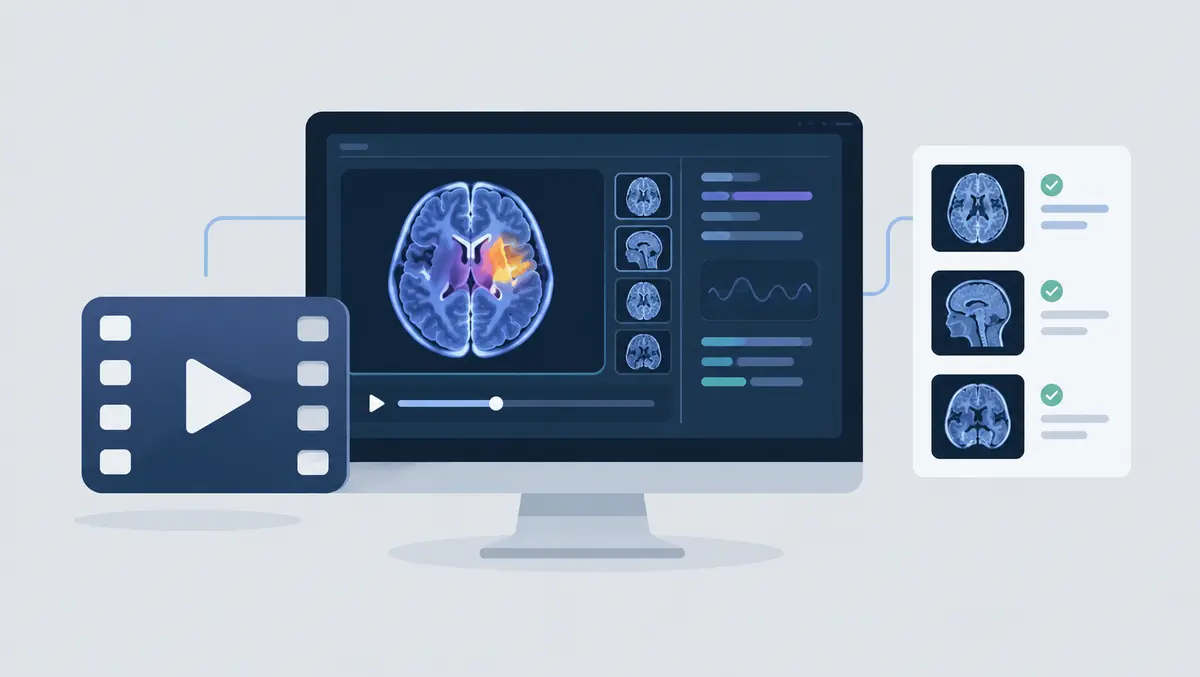

Neurologyca has launched its AI-based Video Content Suite in the US after using it with more than 100 active customers in Europe.
The platform is aimed at brands, agencies and media companies seeking to test audience attention and emotional engagement with video content. It has been used in Europe for five years and is now available to US customers as part of the company's broader push for its human context technology.
Video Content Suite is designed for teams assessing commercials, social media videos, film trailers and longer entertainment formats. Users upload a video, choose a viewing format and invite participants to watch remotely.
With participant consent, the system captures responses during viewing and applies AI models to track changes in attention and emotional response at different points in the content. The analysis is intended to show where viewers stay engaged, where attention drops and which sequences may need further review.
The launch also marks the US debut of a workflow Neurologyca says is already established in Europe. Its underlying platform converts human signals into structured, machine-readable context that can be used in applications, software and AI systems through APIs and its Devlab developer platform.
Customer Demand
Neurologyca said it built Video Content Suite on Devlab in response to demand from brands and agencies for a more direct way to apply its technology to creative testing and audience research.
"Our customers kept asking practical questions: Where did viewers lose interest? Which moments connected? What should the creative team revisit?" said Juan Graña, Chief Executive Officer of Neurologyca.
"Video Content Suite brings those answers into a workflow that brands and agencies can use every day. Our broader focus is making human context available wherever it can improve an experience or a decision. Devlab gives developers and partners the tools to apply that technology to their own markets and use cases," Graña said.
Neurologyca described the product as one example of how its wider platform can be applied to a specific business task. Outside media and advertising, it is also working with a select group of developers and enterprise partners on uses spanning coaching, wellness, internal workflows and AI systems.
Research Base
According to Neurologyca, the underlying models were informed by research in Madrid involving electroencephalography and eye tracking. The work examined how people respond to content and contributed to a system intended to support remote audience studies without laboratory visits or specialist equipment.
By positioning the US launch around an existing product rather than an early-stage pilot, Neurologyca is entering a market where advertisers and media groups are under pressure to justify creative decisions with measurable evidence. It is seeking to distinguish itself by linking behavioural and emotional signals to editing and messaging decisions in video production.
Its broader human context offering extends beyond content testing. Neurologyca said its platform captures signals including facial dynamics, voice patterns and interaction behaviour, then converts them into data that software developers and enterprise users can incorporate into their own systems.
For media buyers, agencies and brand teams, the immediate use case remains creative evaluation. Neurologyca said the analysis can help research and creative teams make decisions on edits, messaging and content development based on observed viewer responses rather than post-campaign assumptions.
Video Content Suite provides a dedicated interface for those teams while relying on the same underlying technology available to platform partners through its APIs and Devlab environment.