

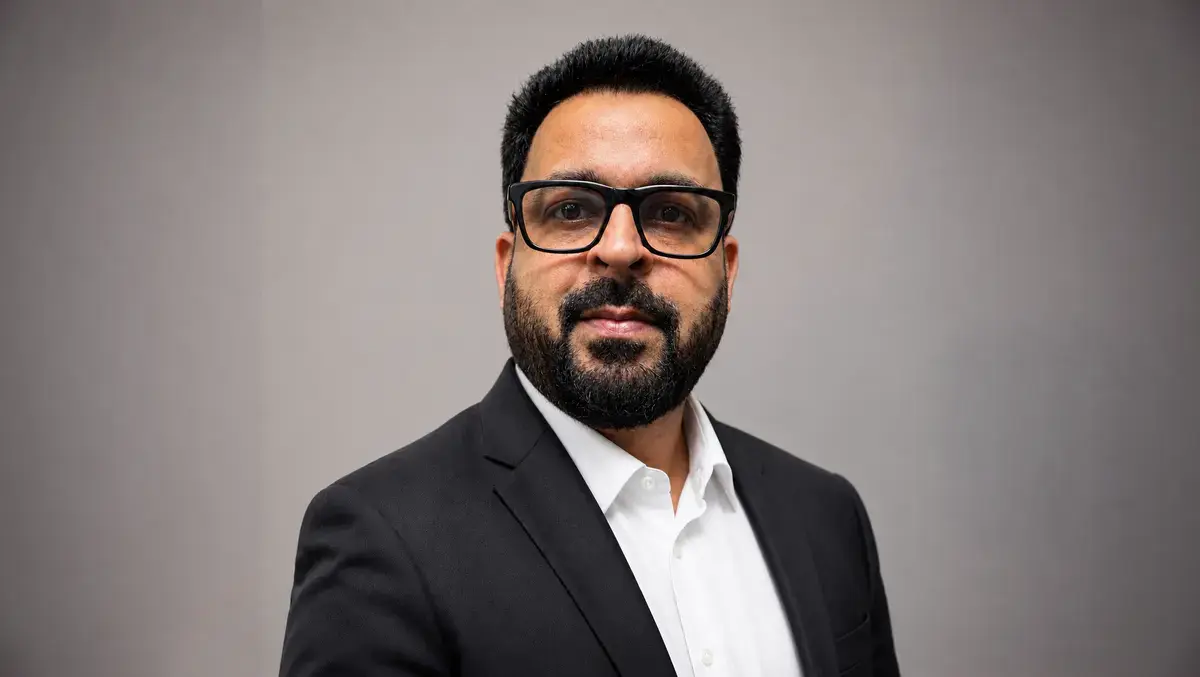
HCLSoftware appoints Ashish Shreykar as Vice President
Tue, 11th Aug 2026
HCLSoftware has appointed Ashish Shreykar as Vice President as enterprise software groups assess how artificial intelligence will affect product strategy.
Shreykar brings more than 20 years of experience across enterprise technology, cybersecurity, software-as-a-service, cloud and strategic alliances. He has held roles at Zscaler, ServiceNow, Pure Storage, Dell, Hewlett Packard Enterprise and HP.
At HCLSoftware, he will focus on strategic growth, enterprise technology adoption and transformation across software, cybersecurity, SaaS, artificial intelligence and Agentic AI. His remit also includes strategic relationships and new business opportunities tied to changes in software and AI.
Before joining HCLSoftware, Shreykar was part of Zscaler's global GSI alliances organisation. There, he worked with global system integrators and enterprise customers across the cybersecurity market, focusing on strategic relationships and joint go-to-market programmes.
Earlier in his career, he held global GSI and technology leadership roles at Pure Storage, following positions at Dell, Hewlett Packard Enterprise and HP. That background places him among technology executives whose careers have tracked major shifts in corporate IT, from infrastructure and cloud to SaaS and security.
The appointment reflects a wider debate across the software sector about how AI will change the role of business applications. Software providers and customers are increasingly asking whether tools will move beyond supporting tasks to taking on more decision-making and process execution within organisations.
Shreykar described that shift as a move towards "Service-as-Software".
"Every major technology cycle changes not just the technology itself, but how businesses operate. SaaS fundamentally changed how organizations consume software. AI is now changing what software can actually do. We are moving toward a model where software increasingly acts as a service - understanding context, making decisions and executing business processes rather than simply providing functionality," said Ashish Shreykar, Vice President, HCLSoftware.
The idea aligns with rising interest in Agentic AI, a term used across the industry to describe software agents that can complete tasks and coordinate workflows with limited human input. For corporate technology teams, that raises questions not only about productivity and automation, but also about control, accountability and operational risk.
Shreykar linked those concerns to security and governance.
"I see Service-as-Software as a natural next step in the evolution from SaaS. The question is no longer only how enterprises deploy software. It is increasingly about what outcomes that software can autonomously deliver. That creates enormous opportunities, but it also makes trust, cybersecurity, governance and business value more important than ever," said Shreykar.
AI and trust
That emphasis reflects a broader trend in enterprise technology, where buyers are paying closer attention to how AI systems are embedded in core processes. As businesses test intelligent tools in areas such as customer operations, IT management and internal workflows, security and trust are becoming central procurement issues rather than secondary concerns.
For software companies, that has commercial as well as technical implications. Vendors are under pressure to show that AI-led products can fit within existing corporate controls, data policies and risk frameworks, particularly in regulated sectors and large multinational organisations.
HCLSoftware appears to be positioning Shreykar's experience across cybersecurity, enterprise software, cloud and alliances as relevant to that shift. His background with both software vendors and infrastructure groups suggests a role that goes beyond product messaging to include partnerships and enterprise adoption.
He said the next wave of transformation would depend on combining several parts of the technology stack rather than relying on a single category.
"The next phase of enterprise transformation won't be driven by one technology category. It will be about bringing together software, data, cybersecurity, cloud and AI to create measurable business outcomes. The opportunity is to make technology more intelligent and autonomous without compromising trust, security or control," said Shreykar.
Market shift
The hire comes as large enterprises review software strategies in response to rapid progress in AI. Many are moving beyond whether to deploy individual AI features and towards how systems can understand business context, coordinate processes and deliver results across departments.
That trend is also changing the demands placed on software executives. Commercial leaders are now expected to understand not only sales and partner channels, but also how AI, cybersecurity and cloud architecture shape customer buying decisions.
Shreykar described Agentic AI as another major turning point in that sequence of industry changes.
"I've had the opportunity to experience several major shifts - enterprise software, infrastructure, cloud, SaaS and cybersecurity - and each one changed the way businesses thought about technology. Agentic AI has the potential to be equally transformative. The real opportunity now is to turn that technological capability into secure, scalable and meaningful business outcomes," said Shreykar.