

Acuity Law advises Octopath AI on £1.5 million spin-out
Wed, 25th Nov 2026 (Today)
Acuity Law has advised Octopath AI on its spin-out from University College London and on a £1.5 million funding package, comprising a £1 million seed round and a £500,000 Innovate UK Growth Catalyst grant.
Octopath AI is a cancer technology company founded by Dr Esther Bär, Dr Charles-Antoine Collins-Fekete and Dr Zhuoyan Shen. It emerged from UCL's Department of Medical Physics and Biomedical Engineering with support from UCL Ventures.
The seed round was led by TwinPath Ventures and matched by the Innovate UK grant, bringing the total funding package to £1.5 million.
The company is developing artificial intelligence tools for pathology, using single-cell AI to analyse digital images of tissue samples. This allows pathologists to identify and measure individual cells across a whole slide.
Its two foundation models, Kraken and Nemo, are designed to analyse different types of tissue staining. The tools are intended to help pathologists extract more information from routine tissue samples and support cancer research and precision oncology.
Acuity Law advised on both the spin-out and the investment round. The legal work was led by Andrew McGlashan and involved lawyers from the firm's corporate, commercial and employment teams, including Sam Honey, Rhian Osborne, Alex Chater and Lisa Dafydd.
University spin-outs remain an important route for commercialising research in the UK life sciences sector, particularly in areas such as diagnostics, medical imaging and artificial intelligence. Specialist investors and public grant funding are often used to help early-stage companies move beyond academic research into product development.
In this case, the funding is intended to support further development of Octopath AI's technology as it moves beyond its academic origins. The company is building on research conducted at UCL and continuing work on its AI models.
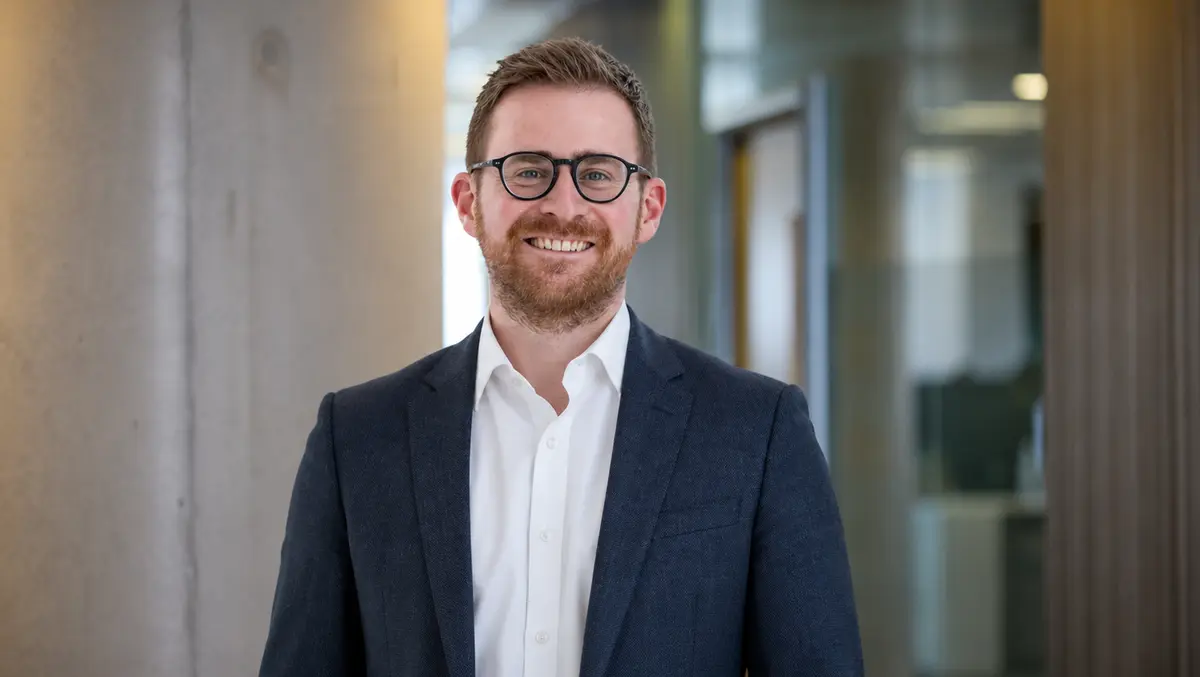
"University spin-outs like Octopath AI demonstrate the very best of UK innovation: world-class research turned into technology that can make a real difference to patients. It has been a privilege to support Esther, Charles-Antoine and Zhuoyan as they take Octopath from UCL into business, bringing together expertise from across Acuity. It was also a pleasure to work alongside UCL Ventures and TwinPath Ventures to get the deal over the line. We're looking forward to seeing the positive impact their single-cell AI models will have on cancer pathology and precision oncology," Andrew McGlashan, Corporate Partner at Acuity Law, said.
For Octopath AI, the transaction marks a formal step from university research to a standalone company with external backing. The founders said the legal and financial support allowed the team to focus on building the business while completing the spin-out process.
"Spinning out of UCL with the backing of TwinPath Ventures and Innovate UK is a major milestone for Octopath AI. The Acuity Law team guided us through every stage of the process with clear, practical advice, and having access to corporate, commercial and employment expertise all under one roof meant we could stay focused on building the company. We're now in a strong position to further develop our foundation models, Kraken and Nemo, and help pathologists turn routine tissue samples into precise, measurable insights for cancer care," Dr Esther Bär, Co-founder at Octopath AI, said.
The deal adds to Acuity Law's work for technology and life sciences companies, including university spin-outs and early-stage start-ups. The firm has also been advising businesses on formation, investment and employment matters as more academic founders seek to commercialise research through venture-backed companies.
Octopath AI's work sits within a wider push to apply AI to pathology, where software developers and research teams use image analysis to examine tissue slides in greater detail. The aim is often to support pathologists with additional data from samples already collected in routine care.
Its platform focuses on extracting cell-level information from those routine samples, with Kraken and Nemo built to analyse different staining methods.