Identity Theft stories
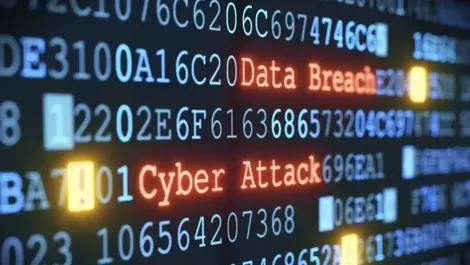
Beauty retailer Sephora urges customers across Asia, Australia, and New Zealand to change their passwords after a data breach exposed personal information.
New survey from F-Secure reveals that 71% of people fear becoming a victim of cyber crime, while 73% worry about the safety of their children.
Of course, identity theft isn't a purely online phenomenon. Criminals can use details found in the post or from discarded documents.
Banks in Australia are embracing artificial intelligence chatbots for customer service, but face security risks.
Cybercriminals are ditching the 'quick buck' methods of stealing credit cards and are instead going after identity data.
According to Verizon's 2017 Data Breach Investigation Report, 81% of hacking-related breaches leveraged stolen or weak passwords.
Thousands of New Zealanders face fraud and blackmail each year as many still skip basic online security steps, CERT NZ says.
New Zealanders are being urged to tighten account security as attacks rise, with simple steps helping to reduce the risk of theft and identity fraud.
Identity theft affects 1 in 6 New Zealanders, with personal information often traded on the dark web. Learn how to protect against it.
Trend Micro launches new security suite to combat identity theft, as survey shows concern among New Zealand home users.
Phishing campaigns are exploiting coronavirus anxiety, with fake health alerts and newly registered domains helping criminals harvest credentials.
KiwiSaver provider Generate reports a data breach exposing personal information of 26,000 customers over a one-month period, sparking identity theft concerns.
Weak passwords can expose every online account, so a generator helps users create harder-to-crack logins in seconds.
Weak account settings and careless clicks can expose personal data, let criminals impersonate you and compromise linked services.
Simple checks can stop account takeovers and phishing, from stronger passwords and two-factor authentication to encrypted connections and attachments.
Digital identity could soon make everyday transactions easier for New Zealanders, as privacy and security concerns grow around online services.
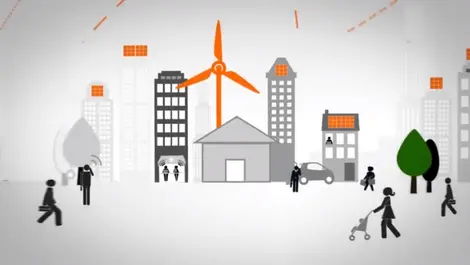
Rising cyberattacks on smart grids are driving utilities to adopt stronger identity checks and encryption as connected meters multiply 30% a year.
Phishing is expected to drive bigger breaches in 2018 as mobile scams, cloud attacks and ransomware spread beyond email filters.
International Fraud Awareness has kicked off in New Zealand, with the release of a guide to help people spot online scams.
The power of technology is awesome, yet it is important to understand that as this power continues to progress, people must make a tough decision .