Germany stories
The move sharpens NFON's UK focus as it seeks more partner-led sales and a bigger share of the crowded cloud communications market.
The funding will help the London start-up expand into wind and CHP assets as it seeks to replace spreadsheet-based energy operations across Europe.
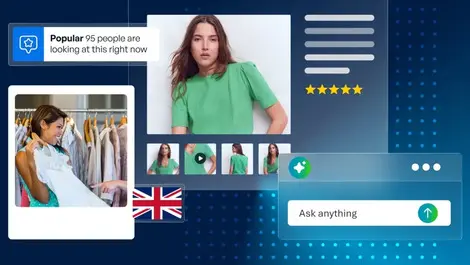
Poor product pages are costing online retailers sales in Britain, with 43% of shoppers abandoning purchases when details are missing.
Memory cost pressure is pushing buyers towards 8GB and 16GB business notebooks, even as 32GB models still drive a disproportionate share of revenue.
Encrypted data captured today could be cracked later, leaving governments, banks and health services exposed unless they migrate before quantum computers arrive.
Better access to complex planning tools could let more firms test supply chain scenarios as AI strips away specialist software hurdles.
Googlebook buyers can use Logitech accessories from day one, with buttons and keys mapped to Gemini tools and other shortcuts.
The move broadens access to its AI software for infrastructure operators, after Invertix raised €1.7 million in pre-seed funding and expanded beyond energy.
Only 27% of AI projects reach production as boardroom pressure pushes European firms into ad-hoc experimentation, Rebura found.
Cash's resilience, privacy and local spending benefits in Germany were estimated at nearly three times the cost of keeping the system running.
The project aims to keep vital networks running through cyberattacks and outages by adding post-quantum security to eSIM and iSIM systems.
The combined group would give Microsoft customers broader AI-led threat detection and response, with no deal value disclosed.
Poor data governance is slowing AI adoption in marketing, with only 35% willing to share unverified machine-generated insights, Adverity found.
Corporate treasurers in Asia can now access cash, payments and lending data inside their own workflows as HSBC rolls out HSBCnio across multiple markets.
The move brings computing closer to customers as firms race to localise AI workloads and meet regional data rules.
Most consumers surveyed across six European markets would accept longer bank checks if that meant a lower chance of fraud, Fourthline found.
A weak workforce skills base has left Britain behind peers, despite the strong policy and infrastructure for AI.
A lack of AI policies is leaving many staff afraid to use the tools safely, as 83% worry a mistake could cost them their jobs.
Despite leading on passkeys and MFA, Indian firms still face widespread AI phishing and deepfake scams that are undermining daily security practice.
A global survey of 9,000 people found those who feel in control of their devices report better mood, wellbeing and performance.