Digital Literacy stories
More than 550,000 people in hardship have already received free mobile data as the renewed scheme seeks to connect 500,000 low-income households.
Britain could miss the bigger economic prize if ministers focus on AI start-ups rather than skills, adoption and productivity gains.
Fewer than half of people globally trust AI, putting customer adoption and revenue at risk unless firms explain how systems make decisions.
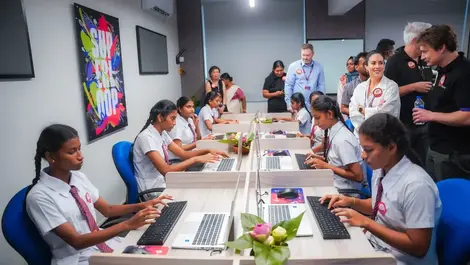
The new facility will give girls at a Colombo school better access to laptops, STEM lessons and hands-on digital learning.
Organisations preparing October training will get new materials on phishing, deepfakes and reporting from a free package aimed at staff awareness.
Employers now face proof-of-training checks as Ireland's AI Office enforces EU rules on staff using artificial intelligence at work.
Australians are losing billions as AI-driven fraud pushes banks, telcos and platforms to share scam data faster and stop payments earlier.
Targeted fraud is inflicting bigger losses on small firms as AI helps criminals forge convincing invoices and impersonations in Australia.
Support for tougher online protections comes with calls for scrutiny of age checks, as TUANZ warns they could harm privacy and exclude vulnerable youth.
Nearly every adult in Ireland was targeted by scam texts or phishing attempts last year, with more than one in five paying out and losing money.
Fewer Australians can spot property settlement scams, with confidence in identifying them falling to 41% as AI voice fraud worries grow.
The move gives under-18 users stronger safeguards and homework support as regulators and parents scrutinise AI chatbots' impact on teens.
Teen users in Australia will now default to a safer ChatGPT with study tools, parental controls and tighter limits on sensitive content.
A third of young New Zealanders have sought personal advice from AI, highlighting a trust gap that Netsafe hopes to tackle with its new programme.
Early momentum is prompting a broader push to bring more Canadians into open source, with 31,000 visits and 1,181 library entries.
Australians risk giving AI agents broad access to emails, calendars and accounts, opening the door to scams and misuse.
Australian workers with digital skills can command pay rises of up to 26% as employers demand them in nearly nine in 10 job ads.
Indonesia's digital skills gap is fuelling demand for practical cyber and AI training, as firms struggle to hire workers.
Students will learn to work with AI tools across multiple industries as New Zealand broadens senior secondary options to match labour-market demand.
New Zealand's tech growth is being constrained by a deepening talent shortage, with firms struggling to fill AI, cyber and cloud roles.