Cyber resilience stories
UK CISOs and senior cyber executives will examine resilience, third-party risk and practical AI use at a London cyber security forum.
The service is aimed at firms seeking faster recovery from cyber attacks and AI-related outages, with business continuity built in.
The new routes are set to improve resilience and speed for cloud and streaming traffic across Latin America, the Caribbean and North America.
Industrial firms face growing disruption as ransomware incidents rose 12% to 1,140 in the second quarter, Dragos said.
More than a third of ransom-paying organisations in Australia and New Zealand still failed to restore systems cleanly, a survey found.
Public backing has handed Eventus Security another boost as it competes in a crowded managed security market facing rising cyber threats.
The tie-up aims to help firms curb access risk as AI agents, bots and contractors increasingly outnumber traditional staff users.
Regional mobile services generated USD $1 trillion in economic value in 2025, but growth now hinges on AI, trust, resilience and sovereignty.
Customers facing tighter IT budgets may see a sharper focus on practical returns as Matt Clarkin takes over sales and marketing at Canon Business Services.
Toronto clients will gain faster access to AI skills and local delivery support as Tech Mahindra expands its Canadian footprint.
Rising storage demand and ransomware fears are driving the agreement, giving partners in Singapore and Malaysia access to Wasabi cloud products.
AI-driven demand for recoverable cloud data is pushing the backup vendor to deepen its US sales push as business spending rises.
The suite aims to cut security backlogs and tighten oversight of AI agents as companies face a surge in machine identities and fragmented tools.
Arctic Wolf has expanded its security portfolio with cyber resilience services, an AI-led SOC and a partner programme for exposure management.
As AI and automation spread, organisations face a growing need to track who or what can access data, systems and workflows.
Average cybercrime losses for large Australian businesses jumped as AI-enabled attacks became a bigger worry than privacy for many boards.
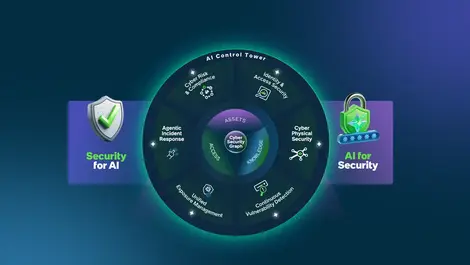
Rising AI-driven threats are pushing firms to consolidate security operations, as ServiceNow adds automation across exposure, identity and incident response.
The platform targets firms struggling to govern AI agents and machine identities, as Saviynt tops USD $300 million in annual recurring revenue.
The tie-up gives small IT teams a single console for backup and recovery, as ransomware and data extortion push resilience up the agenda.
The fibre-backed alternative could reduce reliance on GPS for banks, utilities and emergency services, improving resilience against outages and interference.

















.webp)