Carbon emissions stories
The building and construction sector is one of the largest in the world economy, as well as one of the most energy-intensive polluting industries on the planet.
SoftIron's CMO, Andrew Moloney, discusses sustainable data center solutions and trends in this Power/Energy feature.
TeamViewer has pledged to be climate neutral by 2025 and launched its new sustainability program c-a-r-e, which also looks at increasing female representation.
An industry lead solution from Australian fintech and carbon risk solution company Emmi allows investors to decipher carbon transition risk and opportunity.
Intel has announced plans to further reduce its direct and indirect greenhouse gas emissions and develop more sustainable technology solutions.
The agreement marks a key step for Fujitsu Australia in decarbonising its operations and providing lower-emissions services to its customers.
The global data center sector is estimated to account for around 416 terawatts, equivalent to roughly 3% of all energy needs.
With the rise of conscious consumerism and conscious capitalism, mining enterprises are facing pressure to shift to cleaner and more sustainable operations.
The new Auckland facility could cut New Zealand construction emissions by about 78,000 tonnes of CO2 a year, Holcim says.
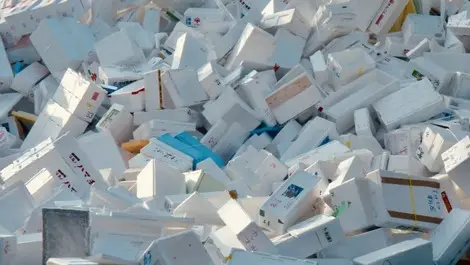
Contaminated waste has long made the plastic hard to handle, but new chemical recycling plants are turning post-use polystyrene back into feedstock.
Infrastructure firms face growing pressure to prove climate and social value as stimulus spending, disclosures and stakeholder scrutiny intensify.
BAI Communications Australia has announced a target of reaching net-zero emissions by 2040 as part of its Towards Carbon Neutral (TCN) program.
More funding in Budget 2022 will not close New Zealand’s $210 billion infrastructure gap, with workers and costs still straining delivery.
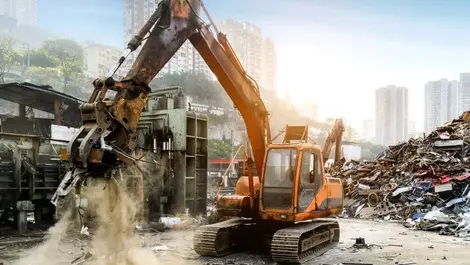
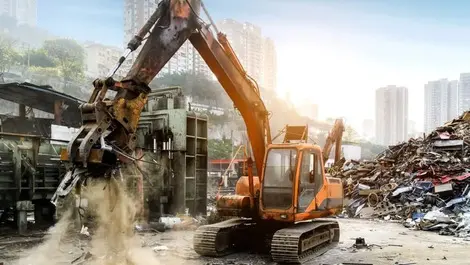
Recycling rates could rise as new sorting and shredding systems help construction waste avoid landfill and recover more valuable materials.
Construction waste is harder to recycle than most rubbish because asbestos and other pollutants must be stripped out first.
Housing and building rules need sharper targets and tougher enforcement if New Zealand is to cut emissions, experts say.
A Canterbury student’s low-cost wall panel could help cut the building sector’s emissions, with seaweed replacing traditional gypsum in plasterboard.
Alibaba Group's logistic arm Cainiao Network has installed 100,000m2 of solar panels on its warehouses so far in its push to build a global green supply chain.
Public road trials and taxi ranks could make electric vehicle charging faster, cheaper and less disruptive for drivers.
Microsoft New Zealand has released an extensive study of local organisations' performance on sustainability and carbon reduction.