


EE has published research suggesting many young people are preparing to sidestep the UK's planned social media ban for under-16s. The study found that 42% of 11 to 15-year-olds expect to move to apps outside the rules.
The findings suggest restrictions due to take effect in March could push children towards messaging services, gaming sites and smaller social platforms not expected to fall within the ban's scope. It also found that 44% of secondary school-age children had already discussed alternatives with friends.
The polling also showed a gap in parental awareness. Just 44% of parents surveyed knew the ban was due to begin in March, suggesting many households have yet to discuss how children might respond when access to mainstream social media platforms is restricted.
Teachers also expect attempts to evade the rules. According to the survey, 95% said they believed at least some pupils would find a way around the restrictions.
Workarounds discussed
The research highlights how social behaviour may complicate enforcement. More than half of young people, 55%, said being on the same apps as their friends matters to them, while 32% said their friendships would suffer without access to those platforms.
That concern appears to be affecting schools as well as homes. Almost half of teachers, 49%, said pupils were distressed or upset about the coming changes.
Some parents indicated they might support efforts to bypass the restrictions. The survey found that 39% would help their child access social media if they believed the rules were harming them, while 34% said they shared their child's concern that the ban could damage friendships.
The policy background remains central to the wider debate. Under the planned framework, platforms including Snapchat, TikTok, YouTube, Instagram, Facebook and X are expected to be barred from offering services to under-16s, while messaging services such as WhatsApp and Signal are excluded.
Parental support
Internet safety groups and telecoms providers are now focusing on the possibility that children could move to less familiar parts of the digital market. That would leave parents trying to oversee apps and services they may know less about than the large social networks covered by the rules.
Rachel Huggins, Chief Executive Officer of Internet Matters, said: "These findings highlight why it is so important to offer support to parents now, ahead of the social media ban coming into effect.
"Parents are the first port of call for children when they encounter issues online, yet children are looking to switch to platforms that parents may be less familiar with. These platforms may also present more risk of harm than those that are likely to fall within the scope of the ban, creating an even greater challenge for parents.
"It is vital to equip parents with the knowledge and tools to help keep their children safe online, and to do this in an accessible way. Internet Matters is pleased to support EE's in-store online safety sessions, making it easier for busy families to get practical help with parental controls and app settings, and to start conversations before the social media ban takes effect."
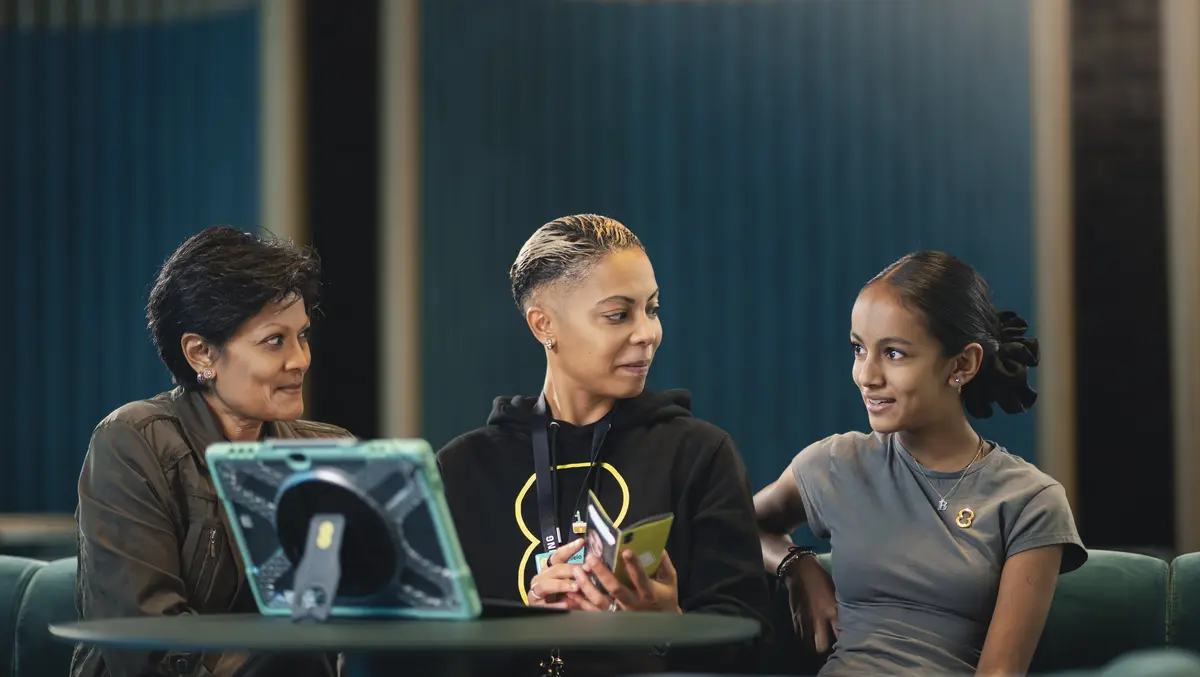
EE is offering bookable online safety sessions in more than 300 stores across the UK. The sessions are intended to help families with parental controls, app settings and other digital wellbeing measures.
Jonny Bunt, Corporate Affairs Director of BT's Consumer Division, said: "The new rules could transform young people's relationship with technology, but only if families, teachers and tech companies work together to make them a success. Many young people are already planning to move to apps outside the ban, and families need to talk about that now, before the changes come in.
"Parents want to do right by their children, but they tell us they don't always know where to start. A great first step is talking to young people about what responsible tech use looks like and agreeing on ground rules together before the changes come into force. That's why we are running in-store online safety sessions across the country, with expert EE Guides ready to help families build healthy tech habits early."
The polling was conducted by Opinium among 1,000 UK parents of secondary school children, 1,000 young people aged 11 to 17, and 100 secondary school teachers.