

Sinewave: AI training may cut energy emissions for offshore energy
Tue, 24th Nov 2026 (Today)
Sinewave Campus says the UK offshore energy sector could cut emissions from suitable mandatory training by 97.4% by moving that activity into AI-powered virtual worlds.
According to the company, traditional training generates an average of 58kg of CO2 per delegate day, including travel, accommodation and facilities, compared with 1.5kg for virtual training, including computing requirements.
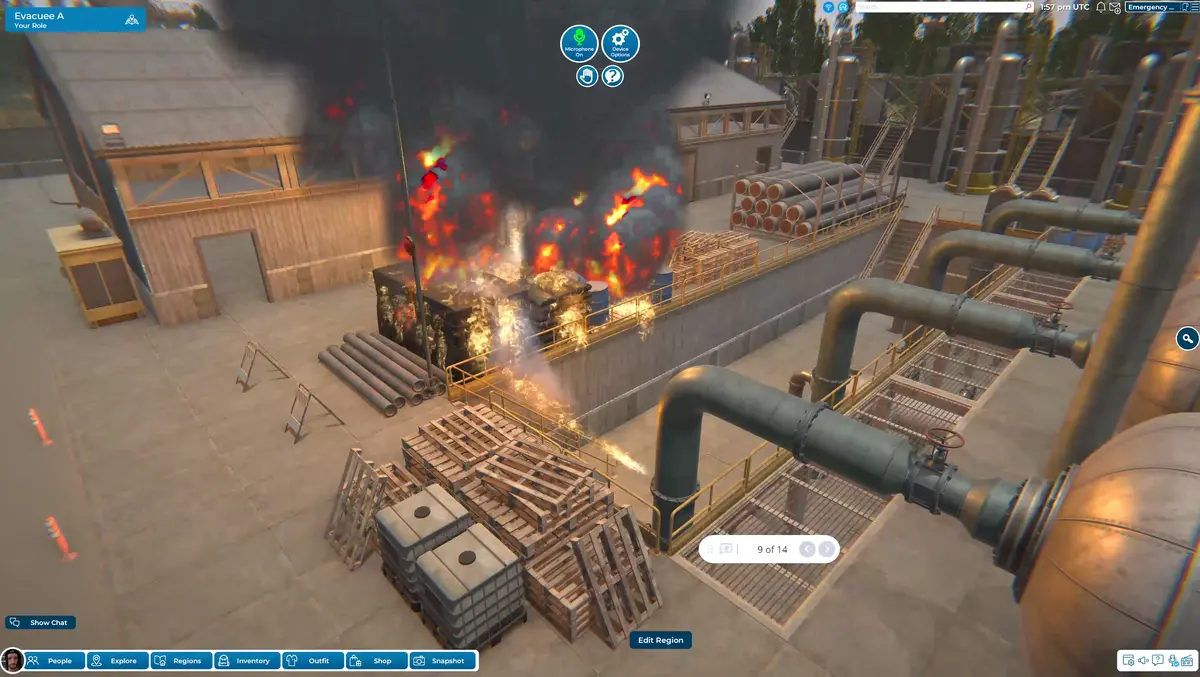
Sinewave said its system uses immersive 3D environments and AI instructors to support scenario-based remote learning. It distinguished this model from conventional e-learning, which it said mainly delivers theoretical knowledge rather than practical exercises.
Some safety training would still require physical, in-person assessment, although it argues that some mandatory courses could shift online without changing the need for hands-on testing where necessary.
Sinewave develops software for streamed 3D environments and spatial artificial intelligence. Organisations can recreate workplaces from photographs, video and specifications for use in simulations covering areas such as industrial safety training, healthcare and employee onboarding, according to the company.
For offshore energy companies, Sinewave said training remains a routine operational requirement because workers must regularly renew certifications and safety credentials. That recurring need means even small changes in how courses are delivered could have a measurable effect on travel, accommodation and facility use across the sector.
Sinewave framed the issue within wider decarbonisation efforts across offshore energy, where operators are under pressure to reduce production emissions under the North Sea Transition Deal. It said the industry has already cut production emissions by an estimated 37% since 2018, but argued that emissions linked to workforce training have received less attention.
The company estimates that around 80,000 physical training courses take place each year across the UK offshore energy sector, accounting for about 140,000 training days. Regular renewal of safety certifications under standards including OPITO and GWO also leads to roughly 30,000 overnight stays and thousands of journeys to specialist training centres, it added.
Debate over AI's environmental impact has largely focused on the electricity consumed by data centres and computing infrastructure. Sinewave is seeking to shift part of that discussion towards possible emissions reductions from replacing travel-heavy processes with virtual alternatives.
"Much of the debate around AI and sustainability focuses on the energy consumed by data centres. That's an important consideration, but we also need to look at the emissions AI can help eliminate elsewhere. In offshore energy, replacing unnecessary travel and physical training with virtual alternatives presents a significant opportunity to reduce the industry's environmental footprint," Robert Donnelly, Chief Commercial Officer at Sinewave Campus.
"AI-powered virtual worlds are recreating real industrial environments, allowing workers to practise procedures and respond to realistic scenarios under the guidance of intelligent instructors. While some safety training will always require physical, in-person assessment, there's an opportunity to cut emissions and costs without compromising training quality."