

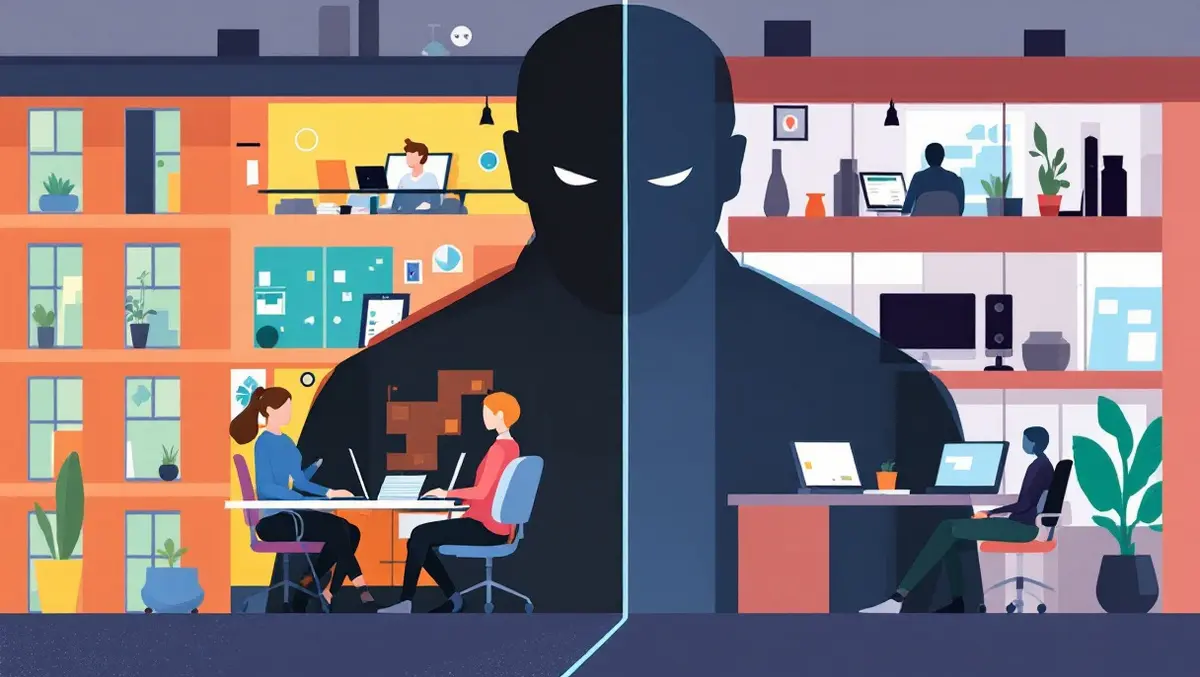
Cyberattacks cost UK firms over GBP £10,000 as hybrid work rises
Sun, 5th Oct 2025
Cybersecurity experts are highlighting the heightened risks faced by remote workers and small businesses in the UK as the number of people working from home remains high.
Government figures show that 28% of working adults in Britain were engaged in hybrid working between January and March 2025, and cyberattacks have affected 43% of UK businesses and 30% of charities in the past year. The average financial cost of a cyberattack has now surpassed GBP £10,000 for businesses.
Remote work trend
Since the first nationwide lockdowns in 2020, the trend towards remote and hybrid working has continued. Employees now often work not just from home, but also from public spaces such as cafés or co-working offices, where broadband networks may lack sufficient security protections.
According to the Office for National Statistics, over a quarter of the UK workforce were hybrid working at the start of 2025. Uswitch Broadband is using Cybersecurity Awareness Month to raise awareness of the dangers of unsecured networks and the need for individuals and organisations to take simple but effective measures to improve online safety.
Expert warnings
Uswitch Broadband expert Max Beckett outlined some of the most common mistakes leading to cybersecurity vulnerabilities for those working outside of secure office environments.
"A common mistake among remote workers and small businesses is leaving home routers with default passwords or outdated firmware," explains broadband expert Max Beckett. "Unlike secure office networks, many home or public connections lack encryption, firewalls, and monitoring, making them far easier for cybercriminals to exploit. This is especially risky in remote work settings, where personal and professional devices share the same network. Simple steps, such as enabling WPA2/WPA3 encryption, updating firmware, and avoiding public Wi-Fi without a VPN, can make a huge difference in keeping sensitive company data safe."
Beckett also clarified what constitutes an unsecured broadband network and why such weaknesses are problematic.
"An unsecured broadband network is an internet connection without proper security, leaving it open to unauthorised access," explains Max. "This can mean no password, a weak password, or a lack of encryption, allowing anyone nearby to connect and intercept data. Outdated router firmware adds further risk, containing exploitable vulnerabilities, while open remote access features and the absence of a firewall remove key barriers to intrusion. Together, these weaknesses make a network highly vulnerable to cyberthreats."
"If your broadband network is unsecured, you could be leaving yourself open to cyberattacks," warns broadband expert Max. "Hackers can intercept the data between your device and the sites you use in a 'man-in-the-middle' attack, putting sensitive information like passwords, credit card details, and business emails at risk."
The risk, Beckett stressed, is significant for both individuals and organisations.
"For small businesses and remote workers, the stakes are particularly high; a single breach can lead to financial loss, reputational damage, and potential legal trouble under UK GDPR. As remote and hybrid working remain the norm, securing your broadband isn't optional; it's essential for protecting your work."
Protective measures
Beckett provided several key steps to reduce the risk of cyberincidents among home and small business users.
"Secure your WiFi network: Securing your Wi-Fi is simpler than you might think. Start by removing personal details, like your name or address, from your broadband name (SSID). Then set a strong password with a mix of letters, numbers, and symbols to make hacking much harder.
Next, ensure your network uses WPA2 or WPA3 encryption. This scrambles the data between your device and router, keeping it safe from unauthorised access. To check, log into your router settings, go to the security or encryption section, and confirm it's set to WPA2 or WPA3.
"Use a VPN in public: Public Wi-Fi may be convenient for remote work, but it's also one of the easiest ways for cybercriminals to intercept your data, especially when accessing sensitive business systems or confidential files.
A Virtual Private Network (VPN) is the best defence. It creates a secure, encrypted connection between your device and the internet, making it far harder for hackers to see your activity or steal information. Without a VPN, login credentials, emails, client data, and financial details can be exposed, risking data breaches, identity theft, and reputational damage for your business.
"Keep your devices up to date: Though it can feel inconvenient, regularly updating your device's software is one of the easiest ways to protect against cyberthreats. Hackers constantly look for weaknesses in software, and updates patch these vulnerabilities to strengthen your security.
Turning on automatic updates means you always have the latest protections without needing to remember to do so manually. Staying up to date keeps both your personal and business data safe from evolving threats.
"Use strong and unique passwords: It may seem obvious, but a strong password remains one of the simplest and most effective ways to protect yourself and your business from cyberthreats. Hackers use automated tools to try thousands of combinations in seconds, and weak passwords like "123456" (found in over 132 million breaches) are cracked instantly. Nearly half (49.2%) of passwords are letters only, often using predictable words or names.
A strong password should mix uppercase and lowercase letters, numbers, and symbols, making it much harder to break. This is especially crucial for your Wi-Fi network, as access could allow hackers to monitor activity, use your connection, or breach other connected devices in your home or office."
The cybersecurity risks associated with remote and hybrid working continue to increase as more work is conducted outside of traditional office environments. The guidance provided by Uswitch Broadband during Cybersecurity Awareness Month aims to help both individuals and businesses reduce their exposure to such threats.