Waste Management stories
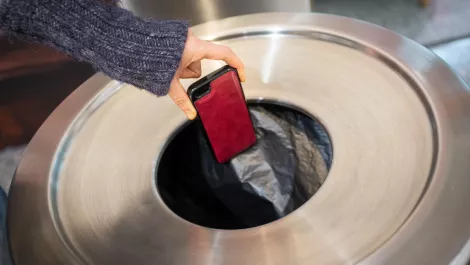
Apple accused of encouraging obsolescence, says UNSW industrial design expert. Manufacturers should do more to make products last longer.
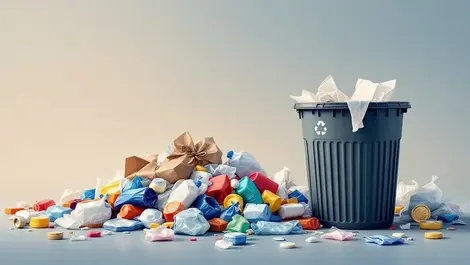
Plastic pollution in rivers, oceans and wastewater systems could finally face tougher global rules after nearly 200 countries backed a UN treaty.
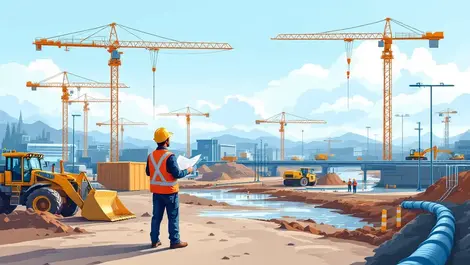
Builders face stricter site controls, from masked public interactions to work bubbles and tracing records, as New Zealand shifts to Red.
Industry leaders say the draft 30-year plan could give New Zealand clearer funding, planning and delivery for vital infrastructure.
Food makers could cut energy use and recycling headaches with a one-step natural coating made from wood waste or shrimp shells.
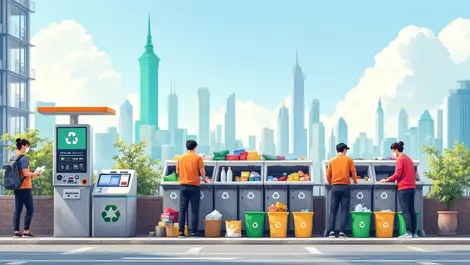
Facial recognition and reward points are being trialled to lift China’s recycling rate as waste volumes outpace the US by 2030.
Waste from cartons and soft plastics will soon be turned into low-carbon building boards in New Zealand, diverting 4,000 tonnes from landfill a year.
Poorer collaboration is slowing projects, but digitisation, prefab and greener materials are reshaping New Zealand and Australia’s building sector.
Regular reminders can cut preventable injuries in manufacturing, from machine guards and PPE to fire drills and fall protection.
Plastic waste could cost EU taxpayers or shoppers more as Brussels moves to levy EUR €0.80 per kilogramme on unrecycled packaging.
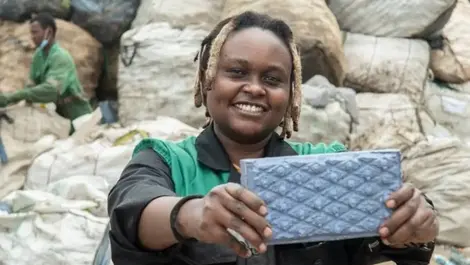
Kenya’s building sector could cut landfill and emissions as Nzambi Matee turns non-recyclable plastic into bricks stronger than concrete.
RMIT researchers say lobster-shell patterns and recycled waste could make 3D printed concrete stronger, faster-setting and greener.
A worker suffered severe arm injuries after a tyre shredder was used without guarding, prompting a GBP £450,000 penalty and reparation.
New rules could change spray planning, training and storage for farmers and contractors after a draft agrichemicals standard opened for comment.
Residents and businesses could soon see smarter lighting, bins and parking as Spark’s 5G rollout supports IoT across Auckland’s CBD.
A global push to cut plastic pollution would need at least one billion volunteers just for clean-ups, researchers warn.
Short-term pain from Covid-19 and delayed projects is being offset by record infrastructure spending, with many contractors still hiring.
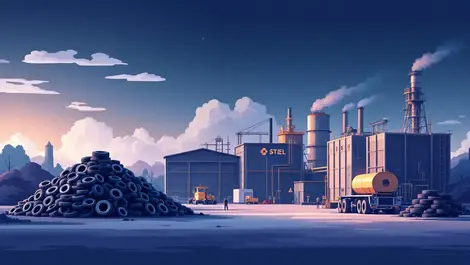
A new Australian process could cut tyre waste and supply low-sulphur oil, carbon and steel for refining and manufacturing.
Even an ideal recycling system would cut plastics-sector emissions by only 14% by 2050, leaving major producers still far from net zero.
Careful planning can cut construction waste, saving money, reducing accidents and lowering carbon emissions across a project.