Remote Access stories
The deal will secure race data and engineering systems across Aston Martin Aramco's operations as Formula One teams face rising cyber risk.
Installers and MSPs could cut setup time and licence costs as Omada's new gateways target multi-site small business networks.
The tool has already blocked more than 52,000 risky npm packages as supply chain attacks continue to hit software teams.
Organisations with remote staff may gain tighter access controls, as the new network aims to curb stolen-credential breaches without redesigning systems.
Healthcare saw the smallest attack decline in SonicWall's latest data, as 10 ransomware families and millions of exploit hits kept pressure high.
The recognition underscores rising demand for secure, lower-cost remote access tools as Australian and New Zealand firms modernise work systems.
Victims risk losing the newest and most active data first as a Go-based encryptor targets recently modified files before older ones.
Remote hiring teams face a wider security risk after researchers found North Korean operatives won 76 offers from 166,893 US job applications.
Secure GIS access across four countries will help Perigus Energy manage wind, solar and battery assets during its post-acquisition transition.
Identity and IoT monitoring gaps leave managed service providers with little public scrutiny, despite rising threats to clients' systems.
A near-decade of undetected access raises fresh concern after investigators found the group had hidden in a disconnected network since 2016.
Enterprises linking thousands of low-power devices across borders can now secure them without VPNs or on-device agents in Japan.
The move gives joint customers more post-access visibility into encrypted traffic as firms phase out legacy VPNs and hunt lateral movement risks.
Trusted software is giving cybercriminals persistent access to PCs, making attacks harder to spot and raising the risk of data theft.
Weak passwords and outdated access rules are leaving small businesses exposed as AI speeds up phishing, credential theft and network probing.
Thousands of corporate devices may be exposed because many remain unpatched, unseen or missing endpoint protection, Arctic Wolf found.
Fragmented tools and patching delays are costing IT teams USD $133,000 a year in labour, according to new research.
Australian businesses face renewed ransomware pressure as INC expands quickly after LockBit and BlackCat were disrupted, researchers say.
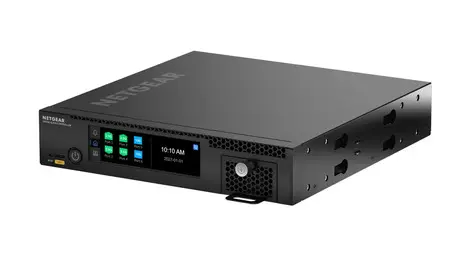
The controller gives AV integrators remote access and bundled timing tools, reducing hardware sprawl as customers demand ongoing support.
The move signals Cloudflare's push to channel more secure access service edge work through specialists as firms simplify legacy security for AI adoption.