European Union (EU) stories
Data convergence, data governance, CDOs, GDPR, metadata management, data monetization, predictive analytics, IoT - the top data trends of 2018.
There is a significant gap between the quantities of data being produced today that needs protection and the amount that is actually being secured.
A huge number of Asian companies now need to understand the nuts and bolts of the GDPR and quickly figure out a path to compliance.
RSA extends its governance, risk and compliance solution to help businesses comply with security legislation such as GDPR.
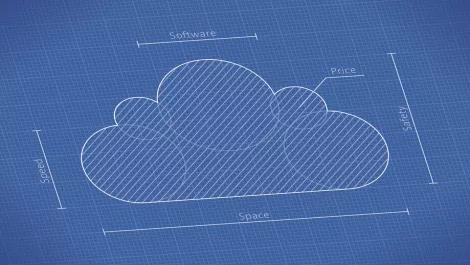
Choosing a cloud provider? Consider data residency and scrutinise contracts for a secure, compliant IT future.
70% of respondents across eight countries believe that GDPR will crown Europe a world leader in data protection, but there are lapses of understanding.
Palo Alto Networks has brought WildFire Cloud to Asia Pacific with a new base in Singapore, furthering the company's cloud reach.
Over a quarter of British councils hit by ransomware, yet no ransoms paid due to effective backups, reports Barracuda Networks.
New innovations in NetBackup deliver data protection for multi-cloud, virtual, physical and modern big data workloads.
Cloud infrastructure providers have given the thumbs up to the proposed regulation from the European Commission on the 'Free Flow of Data' in the EU.
Mitigation plans against cyber attacks fail due to a lack of support from the board. But if the board starts leading the charge, they will succeed.
Companies that have never written code in the last decade will be responsible for over a trillion lines of code in the next decade.
OVH and Rackspace have opened data centres in London and Frankfurt respectively, with the former saying Brexit hasn't harmed the tech industry.
Broadcom's US$5.9b acquisition of Brocade has stalled, with a knock on effect for Extreme's acquisition of Brocade's data centre networking business.
Estonia has proven yet again why the tiny country of 1.3 million people is considered a 'trail-blazer' when it comes to technology.
The digital age could boost Europe's economy by EUR 415bn/year, but how does a cyber attack affect the global economy? #CyberSecurity.
Australia's breach disclosure policy doesn't go nearly far enough in protecting consumers and pales in comparison to the European Union's GDPR.
Work-related illness and injury are stripping 3.9 per cent from global GDP each year, as poor safety measures carry a heavy economic toll.
Organisations that are not yet GDPR compliant estimate it will take an average of seven months. AU businesses say they need double the time.
A shift to wind, water and solar could cut air pollution deaths, create millions of jobs and save trillions in health costs by 2050.