Climate resilience stories
Most of the Government’s 331 infrastructure actions are already underway, prompting calls for funded projects rather than more plans.
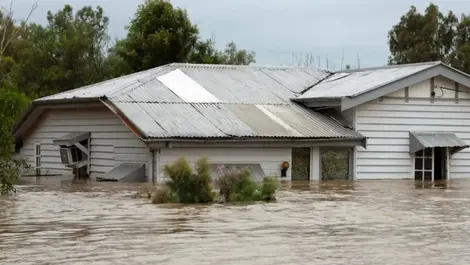
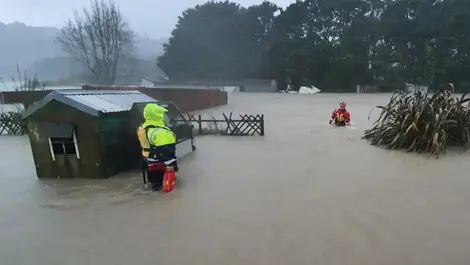
Ratepayers and taxpayers will help fund buyouts and flood defences for homes in areas hit by severe weather after years of underinvestment.
Critics say the spending will still leave New Zealand’s infrastructure deficit and weather damage unaddressed without a clear pipeline of work.
Severe weather, Covid and inflation are worsening New Zealand’s infrastructure, emergency readiness and cost of living, with repairs set to take years.
Wellington City Council faces a NZD $6 million repair bill after 17,000 LED streetlights proved unsafe in strong winds.
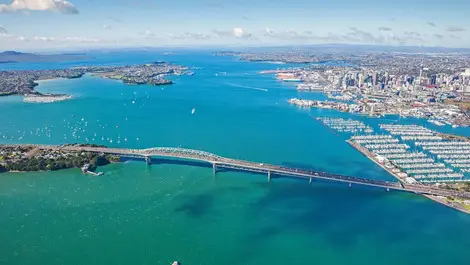
Public consultation on the Waitematā Harbour crossing begins with options costing up to GBP £12.5 billion and facing carbon concerns.
Poor water management could worsen shortages unless New Zealand uses IoT sensors and data to track use and cut waste, Alison Mackie says.
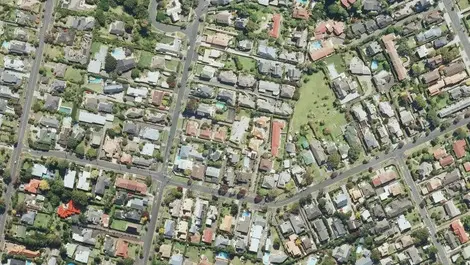
Urban trees and gardens are shrinking as intensification raises heat, flooding and liveability risks for New Zealand’s cities.
For coastal New Zealand, the lesson is that resilience will hinge on working with nature, not relying on engineering alone.
Communities face repeated outages and costly repairs unless planners shift to more resilient, wellbeing-based infrastructure decisions.
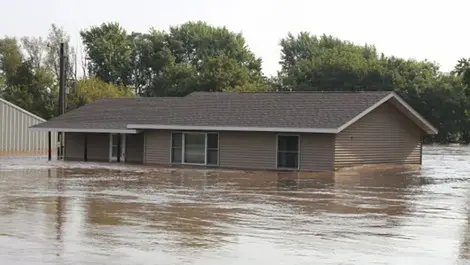
Flood-hit homes must be dried and cleaned quickly, as damp carpet, insulation and leaks can fuel mould and health risks within days.
Back-to-back storms are exposing weaknesses in Auckland’s ageing drainage system and testing community recovery after record flooding.
New Zealand growers could face higher food costs and poorer water security if reform leaves storage projects harder to finance, IrrigationNZ says.
Critics say the extension shifts more than NZD $1.3 billion a year from roads to petrol discounts, favouring higher earners over low-income households.
Climate scientists say Auckland’s floods were intensified by atmospheric rivers, while economists warn neglected infrastructure is leaving homes exposed.
Policy change, fuel resilience and green power projects are set to dominate infrastructure again as reform timelines tighten in 2023.
Water restrictions in Auckland may ease as a third reservoir moves ahead, with the $60 million project set to boost supply resilience.
Critics say the overhaul could add bureaucracy and legal uncertainty, raising doubts it will ease New Zealand’s housing crisis.
Rising rebuild costs are leaving many Kiwi homeowners exposed, with 30% unsure their cover would fully replace a total-loss house.
Communities could face stronger local democracy and more equitable funding as a draft review seeks submissions on council reforms.