

Parasocial named Cambridge Dictionary Word of the Year for 2025
Thu, 20th Nov 2025
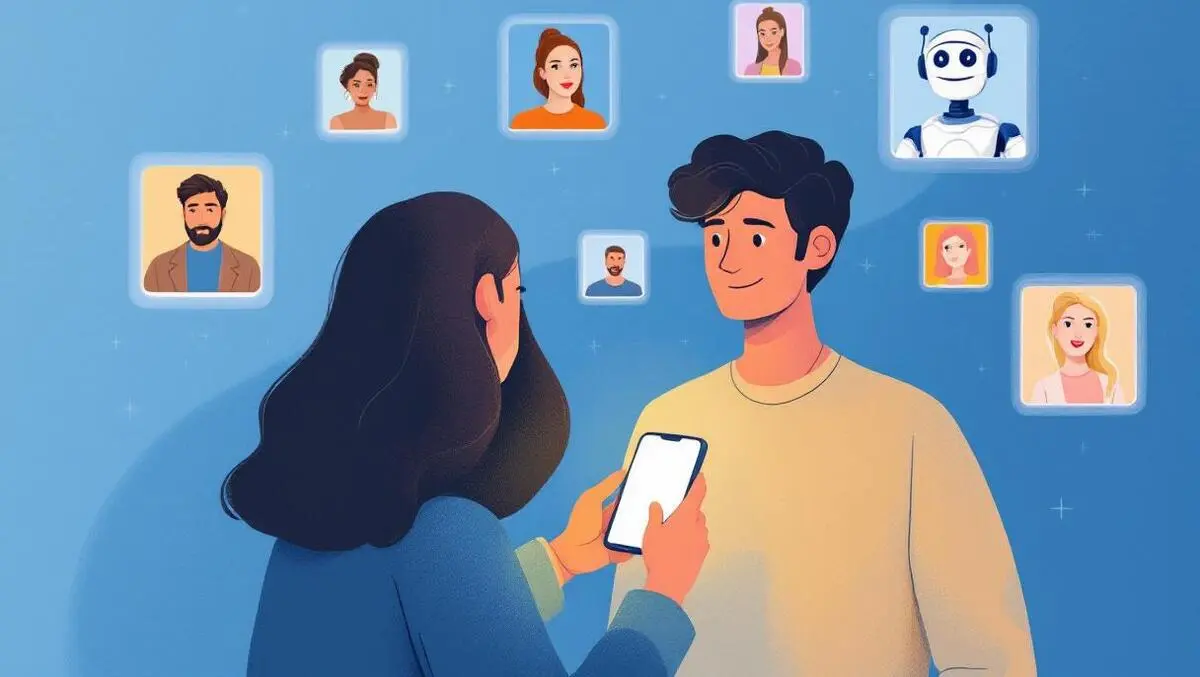
The Cambridge Dictionary has named 'parasocial' as its Word of the Year for 2025, highlighting a surge in public interest in the concept of one-sided relationships with celebrities, influencers, and AI chatbots over the past year.
Defining parasocial
Parasocial refers to a sense of connection or relationship an individual feels towards a public figure or fictional character, despite no two-way interaction. The term originated in 1956 when sociologists observed viewers forming bonds with television personalities. In 2025, these relationships will have expanded to include social media influencers and AI-powered chatbots.
Trends observed
The dictionary's editorial team noted a rise in interest around parasocial connections, particularly with influencers, podcast hosts, and emerging technologies like AI. Popular celebrities such as Taylor Swift, Lily Allen, and Chappell Roan, as well as fictional characters from series like The Summer I Turned Pretty, became focal points for intense online discussions among fans.
Significant online commentary has addressed the confessional style of podcast hosts, who have been said to replace real friends for many listeners. The phenomenon extends to digital platforms, where users interact with AI chatbots, some of whom build emotionally meaningful-and sometimes concerning-attachments. Search volumes for 'parasocial' rose repeatedly on the Cambridge Dictionary website following high-profile events involving celebrities and online personalities.
AI impact
The past year also saw the addition of several AI-related words to the Cambridge Dictionary, reflecting new behaviours and technologies. For example, 'slop' refers to low-quality content generated by artificial intelligence. The interactions between humans and AI chatbots have prompted a re-evaluation of personal connection in the digital age, as users increasingly treat chatbots as confidants or companions.
New words tracked
2025 brought over 6,000 new words to the dictionary, including 'delulu', 'skibidi', and 'tradwife'. Editors also began tracking emerging terms, such as 'glazing', describing excessive flattery from AI, and 'doom spending', referring to impulsive expenditures driven by anxiety about the future. Words like 'bias' and 'vibey' reflect the influence of social media culture on English vocabulary.
Expert perspectives
Dictionary editors remarked on the mainstream adoption of formerly academic terms.
"Parasocial captures the 2025 zeitgeist. It's a great example of how language changes." said Colin McIntosh, Editor, Cambridge Dictionary.
McIntosh noted the role technology, society, and culture have played in reshaping how such words are understood and applied.
Simone Schnall, Professor of Experimental Social Psychology, University of Cambridge, said, "Parasocial is an inspired choice for Word of the Year. The rise of parasocial relationships has redefined fandom, celebrity and, with AI, how ordinary people interact online. We've entered an age where many people form unhealthy and intense parasocial relationships with influencers. This leads to a sense that people 'know' those they form parasocial bonds with, can trust them and even to extreme forms of loyalty."
"Yet it's completely one sided. As trust in mainstream and traditional media breaks down, people turn to individual personalities as authorities, and - when they spend many hours consuming their content - develop parasocial bonds, treating them more like close friends, family or cult leaders."
"When an influencer has so many followers, people assume they are trustworthy. There's a more traditional and healthy manifestation of fandom as people develop parasocial ties with stars like Taylor Swift, who are exceptionally good at what they do, but this can also lead to obsessive interpretations of lyrics and intense online discussions about their meanings and what they mean for fans, as well as Swift herself."
"Parasocial trends take on a new dimension as many people treat AI tools like ChatGPT as 'friends', offering positive affirmations, or as a proxy for therapy. This is an illusion of a relationship and groupthink, and we know young people can be susceptible for this."