

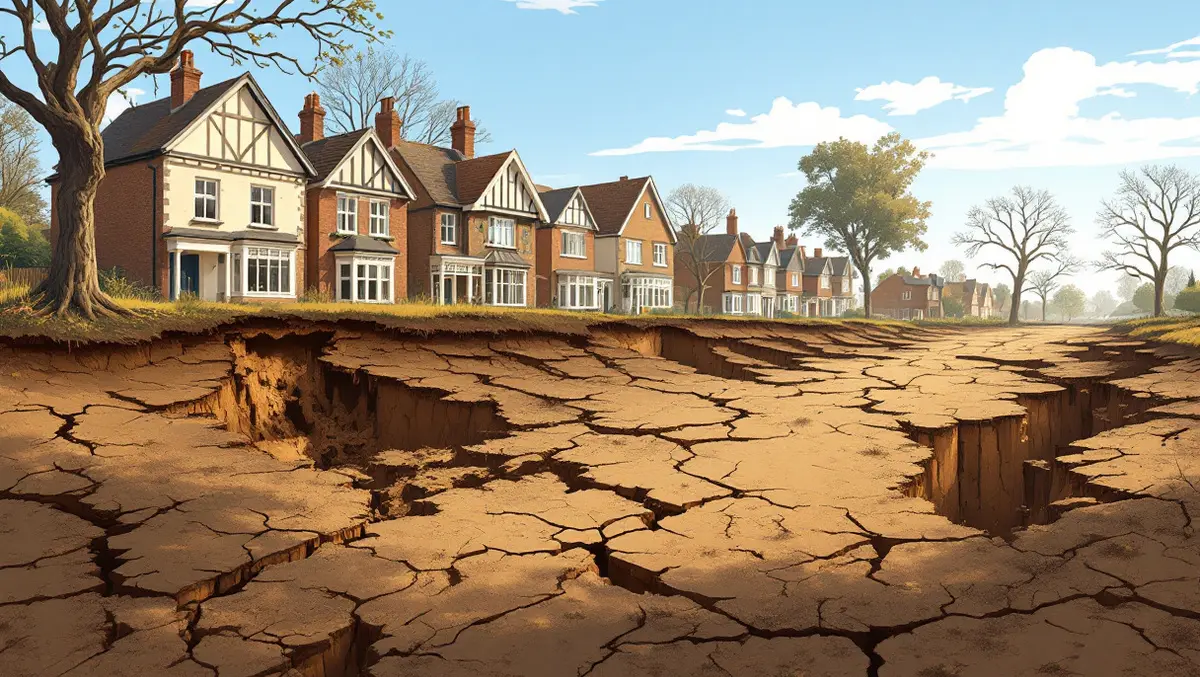
UK insurers face GBP £150M subsidence bill as climate risks grow
Wed, 3rd Sep 2025
LexisNexis Risk Solutions has highlighted the increasing risks related to subsidence for UK homeowners following new figures released by the Association of British Insurers (ABI).
The ABI recently reported that insurers in the United Kingdom have provided support amounting to over GBP £150 million for homes impacted by subsidence during the past year. The significant sum illustrates the growing scale of difficulties facing insurers and homeowners in regions susceptible to this type of property damage.
Rising risk
LexisNexis Risk Solutions has conducted an analysis using data from the British Geological Survey, revealing that if current climate trends persist, approximately 1.2 million additional homes in England could face an increased risk of subsidence by 2050. This would mark a 27% increase, raising the number of at-risk households from around 4.5 million today to an estimated 5.7 million over the next quarter-century.
Subsidence, which is primarily driven by the shrinkage of clay soils during extended dry periods, causes structural movement and can lead to significant property damage and costly insurance claims. With climate models forecasting more frequent heatwaves and prolonged spells of dry weather in the future, industry analysts and data providers are emphasising the urgent need for robust risk assessment tools and greater emphasis on prevention strategies.
Risk data solutions
LexisNexis Risk Solutions is addressing these challenges by offering address-level risk scores for subsidence, available both at the point of quote and visually through its Map View solution. By providing detailed, timely risk data on a property-by-property basis, insurers can more accurately assess their own portfolio exposures and set premiums that reflect the actual level of risk.
This capability, according to LexisNexis Risk Solutions, is essential for the insurance market to remain resilient as environmental risks increasingly affect both urban and rural properties across England. Access to this data is positioned as a critical support for underwriting decisions and for enhancing the service offered to customers seeking policies for homes in potentially vulnerable areas.
Industry perspective
"The ABI's latest figures underline the scale and urgency of the subsidence problem," said Caroline Elliott-Grey, senior product manager, U.K. and Ireland insurance, LexisNexis Risk Solutions.
Elliott-Grey further elaborated on the importance of accessible, detailed data for insurers and consumers alike:
"By giving insurance providers access to robust perils and property data, we can help the market price risk more accurately and support consumers in understanding the factors that influence their premiums."
This approach not only supports better underwriting but, according to LexisNexis Risk Solutions, also helps in improving the quotability of properties and enables consumers to make more informed decisions about their insurance policies and property choices.
Market outlook
The increasing number of homes at risk due to projected climate conditions highlights the necessity for the insurance industry to integrate environmental data into everyday decision-making. With more properties likely to be affected in the near future, both insurers and policyholders are being urged to consider long-term trends and respond proactively.
The ABI figures provide context and focus for the wider discussion about how the insurance sector and its stakeholders can adapt to increased subsidence risk, particularly as urban expansion and changing weather patterns interact to alter the traditional risk landscape in the UK.