

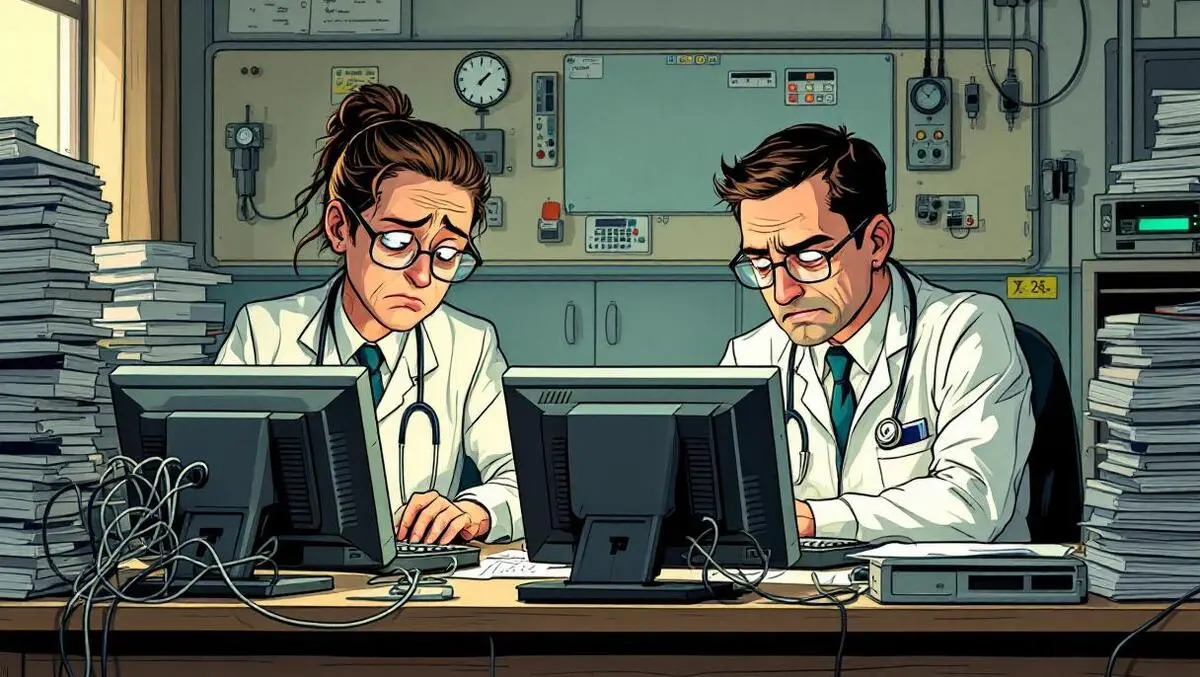
Outdated NHS technology blamed for burnout & patient safety risks
Tue, 25th Nov 2025
A new survey from IT services provider Presidio highlights significant concerns among UK frontline healthcare workers about the impact of outdated technology on patient care and clinician wellbeing.
Shadow IT risk
Almost a quarter of respondents reported resorting to unsanctioned 'shadow IT' workarounds in their daily roles. This practice, where workers use unofficial digital tools or systems, raises compliance and data security concerns within clinical settings.
The use of shadow IT is an indicator of under-resourced or inflexible official systems, increasing the risk of data breaches and regulatory non-compliance. These workarounds often escape audit scrutiny, leaving sensitive patient information exposed to potential cyber threats.
AI adoption gap
Although nearly all clinicians surveyed believe in AI's ability to improve healthcare, fewer than half said their organisations currently deploy AI-powered tools. The slow adoption stands in contrast with government ambitions to embed digital technology and AI into the UK's National Health Service.
With AI remaining underused, clinicians indicated that more advanced digital capability could help address daily operational pressures and support improved decision-making in patient care.
Burnout factors
The survey revealed a strong connection between technology shortfalls and staff welfare. More than 92% of UK clinicians attributed workforce burnout in part to reliance on outdated technology systems. This link suggests that improving IT infrastructure could have a direct effect on staff retention and capacity.
Some 22.8% said that obsolete technical systems put patient care at risk every day, with only 3.6% reporting that outdated tech never affects their ability to care safely for patients. Nearly four in ten respondents identified patients in intensive care or critical care units as most likely to experience the negative consequences.
Impact on patient safety
According to those surveyed, the prevalence of legacy systems contributes to clinical delays, errors and workflow inefficiencies. When healthcare professionals are forced to troubleshoot malfunctioning equipment or navigate slow software, they have less time for direct patient interactions and clinical judgement.
"Presidio's research shows the NHS is facing a technology crisis: 98% of clinicians say outdated systems cause delays or errors, and nearly a quarter see safety risks every single shift. As Rachel Reeves shapes the Autumn Budget, this can't be ignored. If the government is serious about cutting waiting lists and protecting patient safety, modern, AI-ready infrastructure must be a priority. Clinicians are clear, outdated tech is jeopardising the NHS and upgraded systems would have an immediate impact. The Autumn Budget is the moment to finally give frontline staff the technology they need to deliver faster, safer care and avoid burnout," said Brid Graham, Senior Vice President, Presidio, Europe & Asia Pacific.